Why Pike Fishing is Alaska’s Hidden Gem
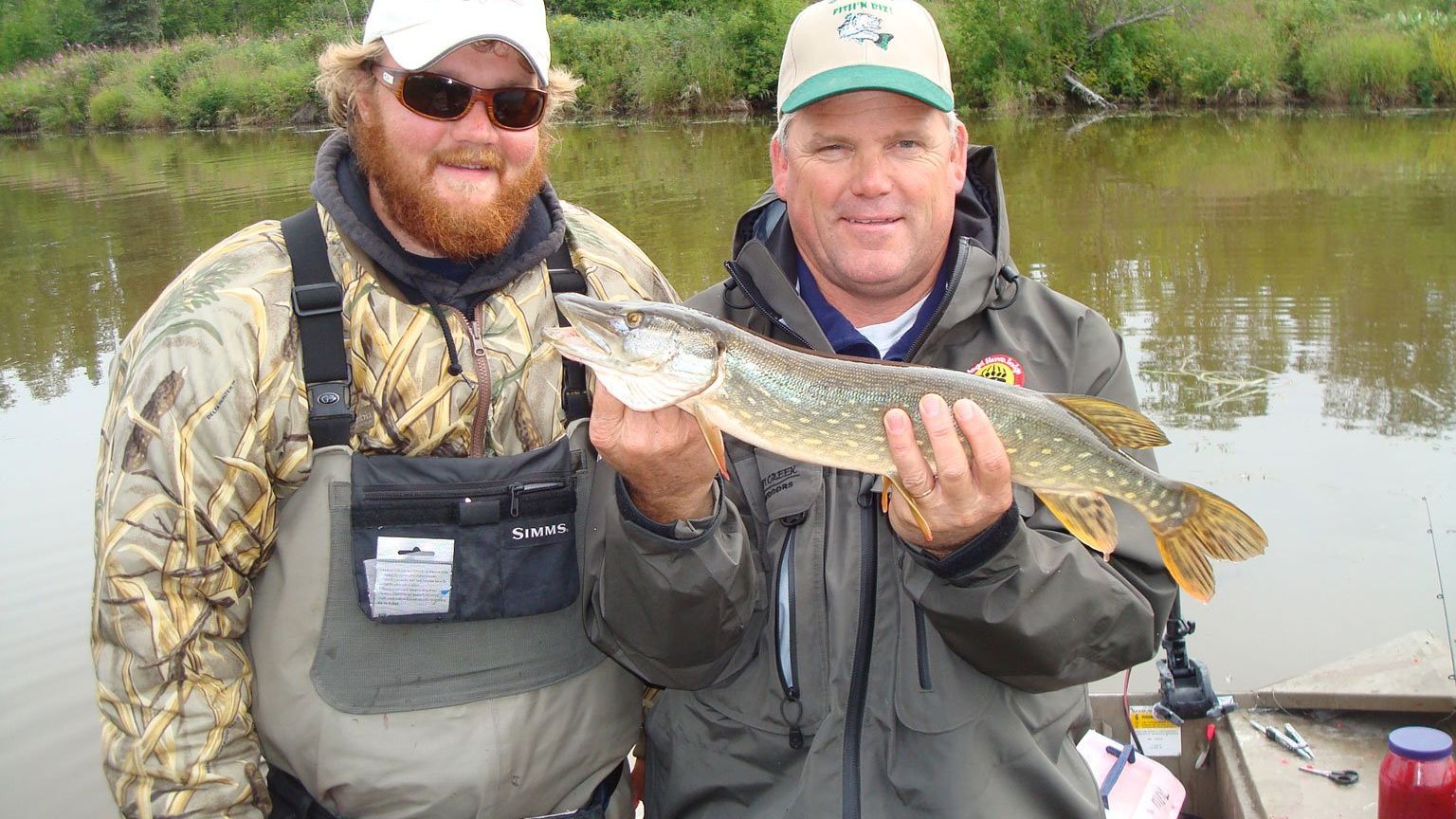
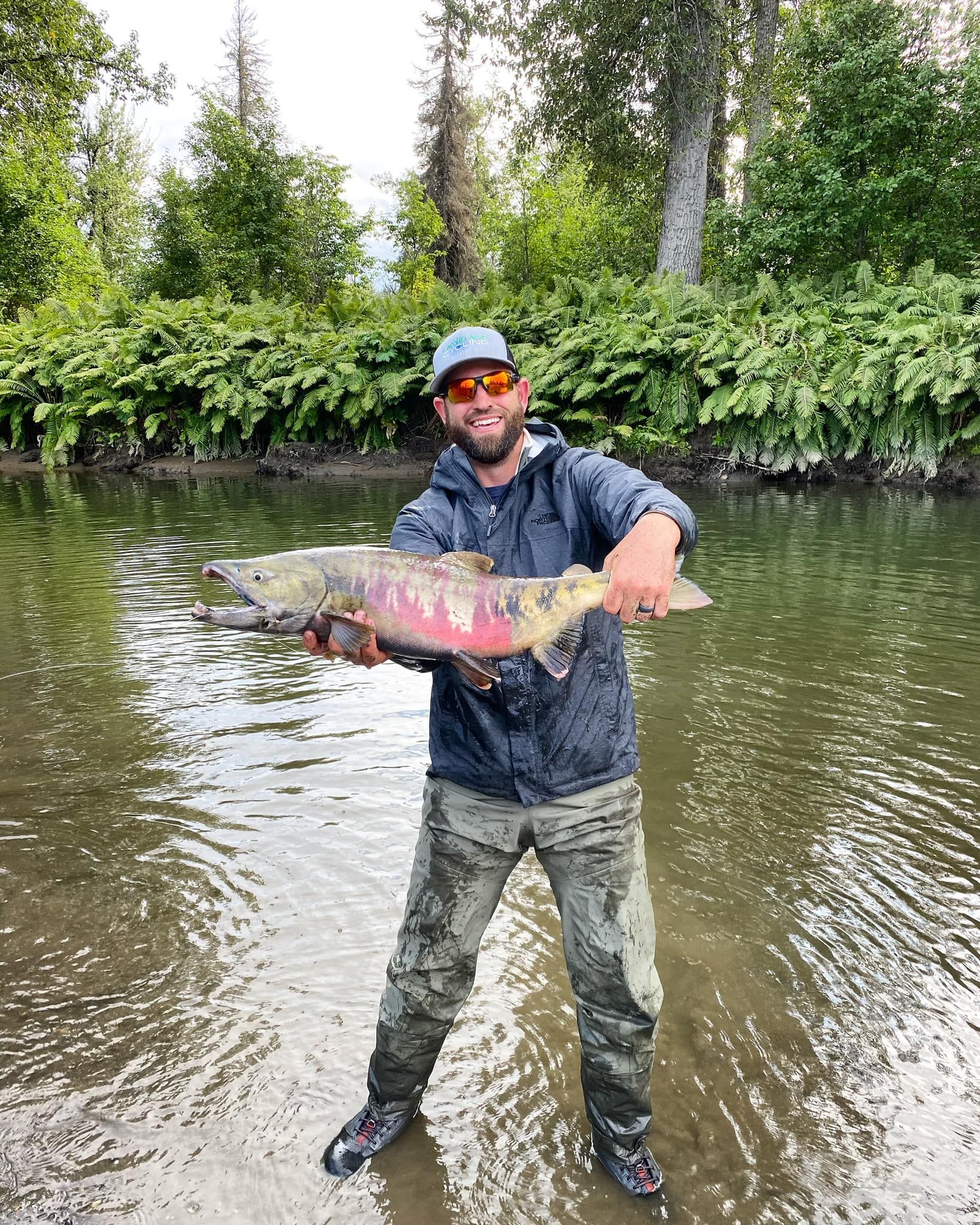
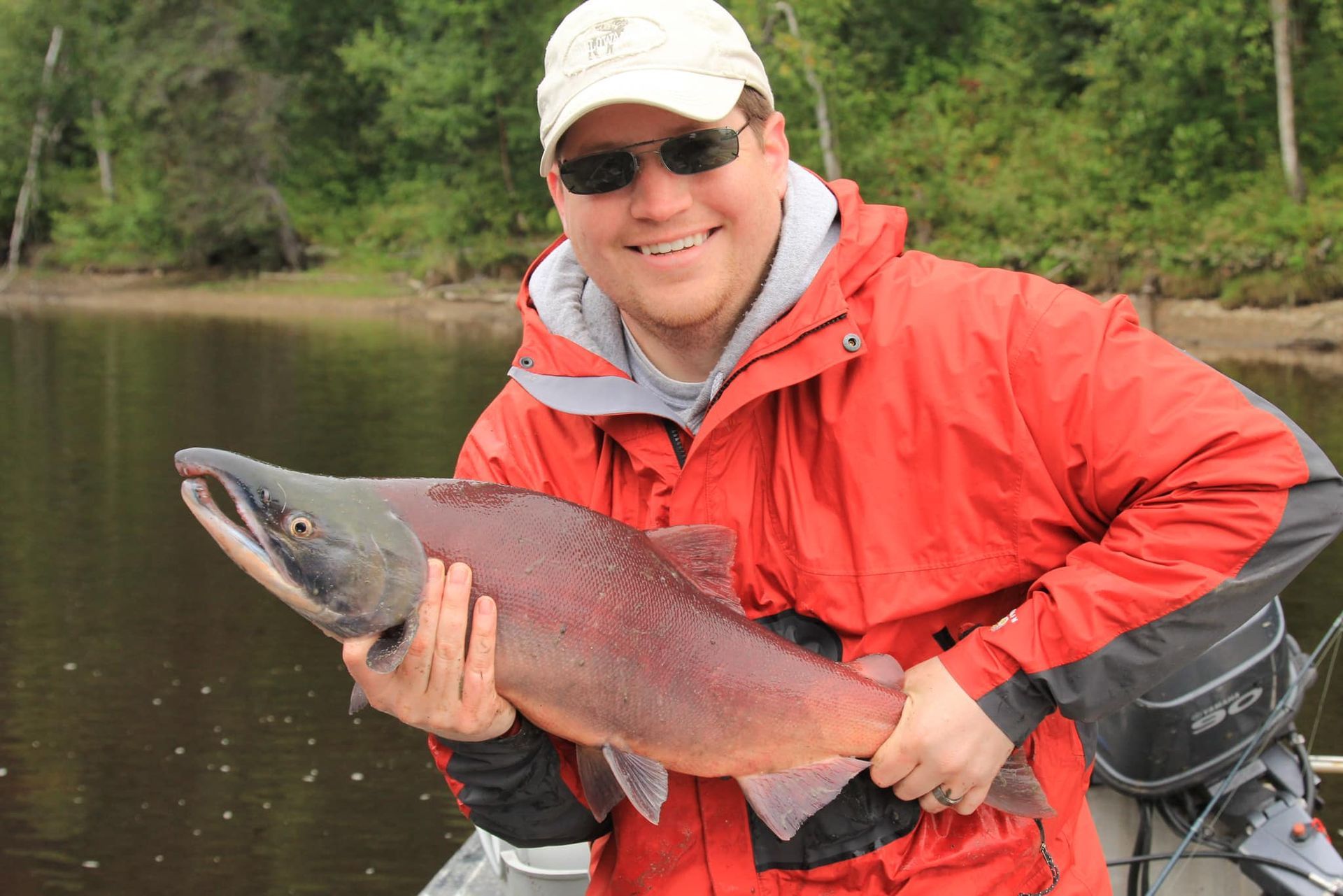
Most visitors land in Alaska with salmon and rainbow trout already on their minds. Then someone hooks into a northern pike tucked along a quiet weed edge, and the day's plan changes in a hurry. The strike is explosive, the fish fights hard, and suddenly one of Alaska's most overlooked fishing experiences becomes the story everyone talks about back home.
Northern pike do not receive the same attention as Alaska's famous salmon runs, but they deserve a place on every angler's list. For anyone looking to add variety to a fishing trip, pike offer fast action, aggressive takes, and a completely different style of fishing that feels like discovering a local secret.
Where Pike Like to Hide
Unlike salmon that move through current, northern pike spend much of their time waiting in slower water. Backwaters, shallow sloughs, quiet bays, and weed-filled channels all create ideal ambush points.
Around the Lake Creek and Yentna River system, many anglers stay focused on salmon moving through the main river. The overlooked pockets just off the current often hold pike ready to attack a passing lure. That contrast is part of what makes targeting them so enjoyable. A short move into calmer water can create an entirely different fishing experience.
One detail many visitors miss is that water temperature can make a noticeable difference. On cool mornings, pike often remain deeper along weed lines. As the day warms, they become more active in shallower water where they can surprise unsuspecting baitfish.
Why Pike Fishing Feels Different
Pike reward anglers who enjoy casting and covering water instead of waiting for fish to pass by.
Instead of drifting through current, anglers work shorelines, fallen timber, submerged vegetation, and small coves. Every cast feels like it could trigger an instant strike.
Many experienced Alaska anglers enjoy mixing a day of salmon fishing with time spent chasing pike because it changes the pace. It adds another challenge without requiring advanced techniques.
The excitement comes from the unpredictability. A lure can travel several feet untouched before a large pike suddenly appears and attacks within sight of the boat.
Choosing the Right Time to Fish
Pike remain active throughout much of Alaska's fishing season, but conditions change as summer progresses.
- Late May through June often brings active fish moving into shallow areas after ice-out.
- July offers warm water, long daylight hours, and consistent action around vegetation.
- August continues to produce good fishing while salmon activity increases throughout many river systems, making it easy to target multiple species during the same trip.
Unlike some fisheries that depend on a short seasonal window, pike can provide reliable action across much of the summer.
The Mistake That Costs Anglers Fish
Many first-time pike anglers use leaders designed for trout.
That usually works until a large fish bites through the line with its sharp teeth.
A quality wire leader or heavy fluorocarbon leader saves frustration and prevents losing both fish and tackle.
Bringing long-nose pliers is another smart move since pike often inhale lures deeply.
These simple adjustments make a noticeable difference over the course of a day.
Why Pike Are Great for Families and New Anglers
Pike fishing keeps people engaged.
Children enjoy making repeated casts instead of waiting for fish to arrive, and aggressive strikes create excitement even for anglers with little experience.
Couples planning a fly-in fishing trip often appreciate adding a few hours of pike fishing between salmon outings. It offers a relaxed change of pace while still delivering memorable catches.
For experienced anglers, pike present an opportunity to experiment with larger flies, spinnerbaits, spoons, and topwater lures that are rarely used during traditional salmon fishing.
Pike Fishing at McDougall Lodge
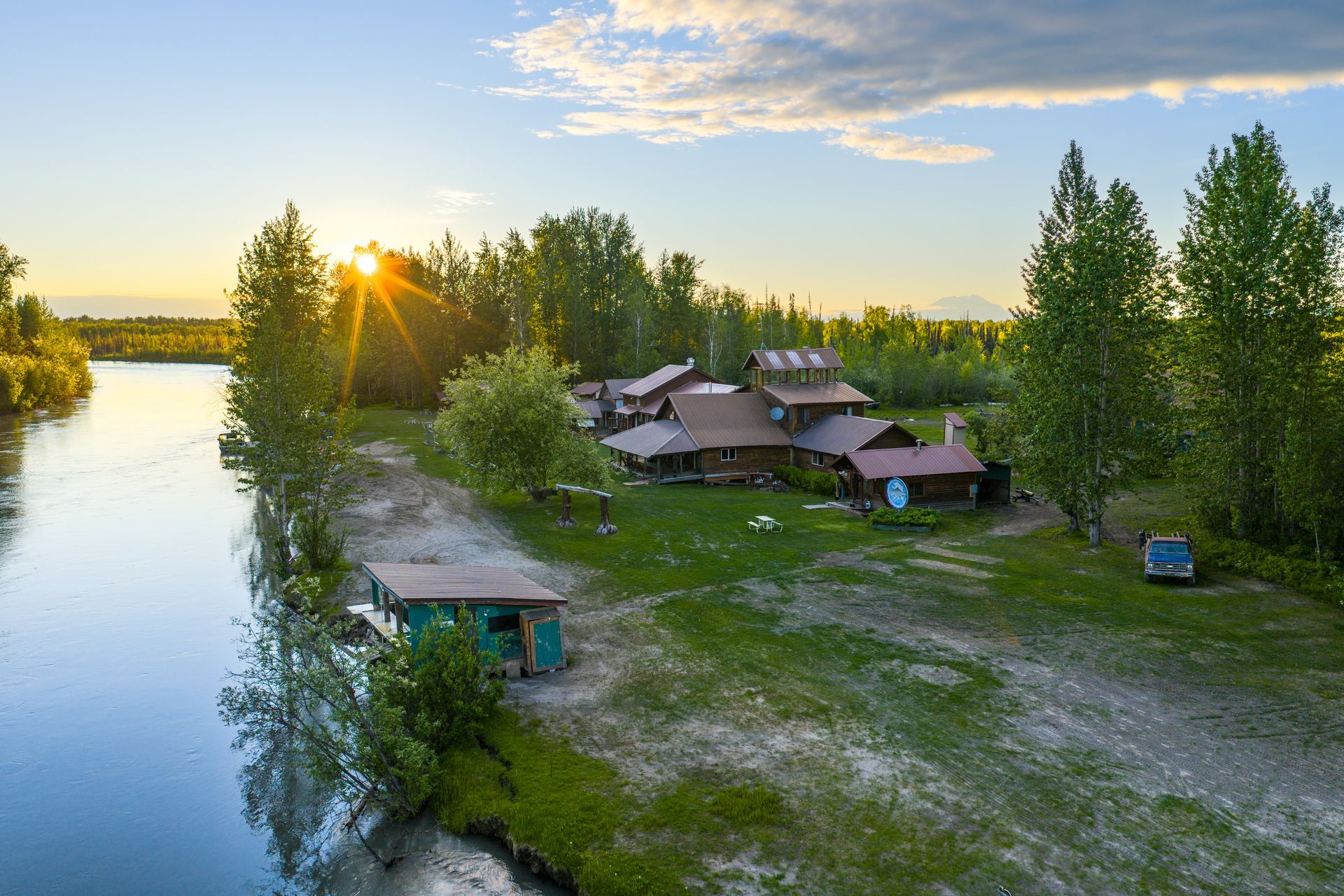
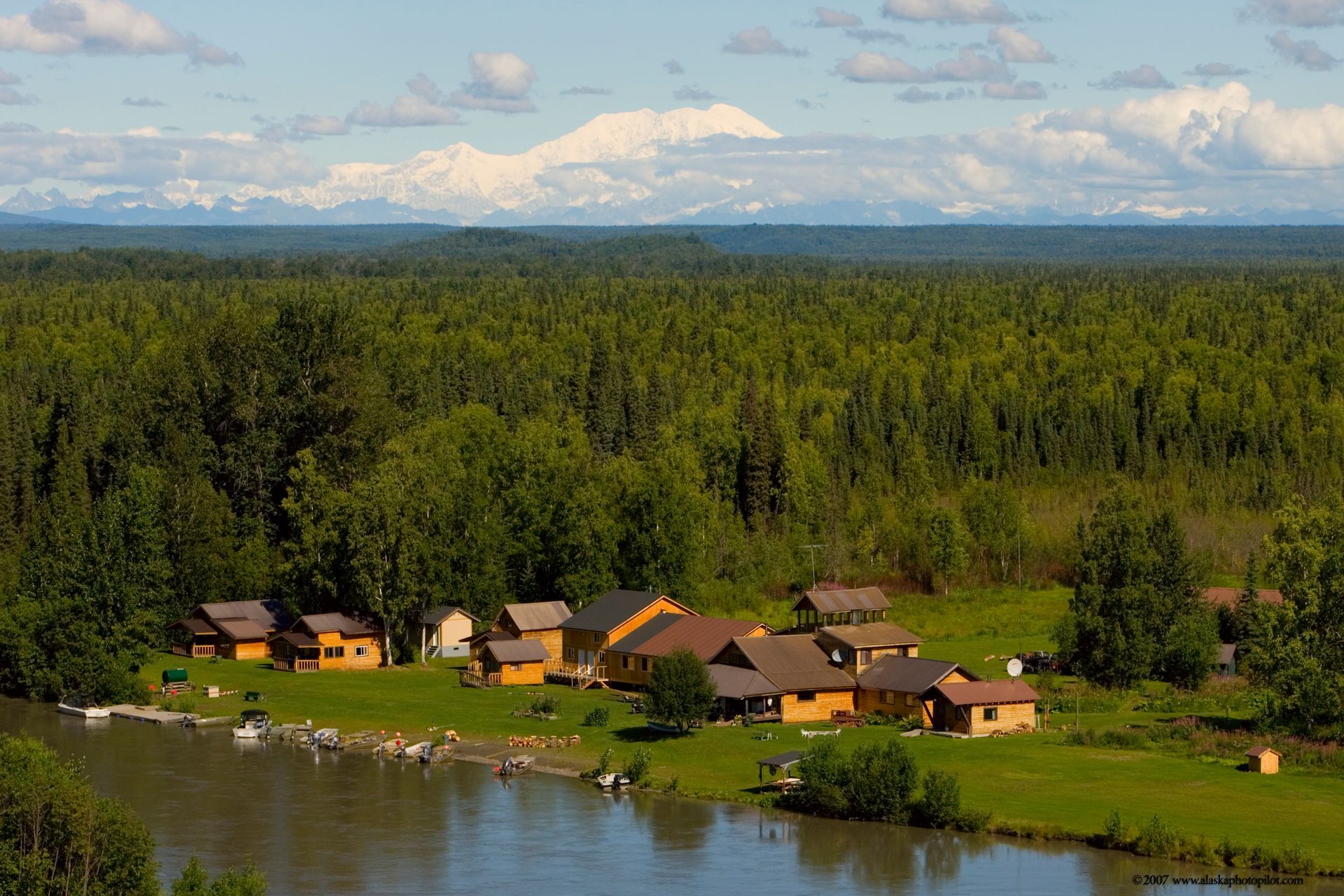
McDougall Lodge gives anglers access to productive waters throughout the lower stretches of Lake Creek and nearby tributaries by jet sled. While the lodge is best known because every Pacific salmon species traveling the river passes nearby, northern pike add another layer to the experience for guests looking to target multiple species during their stay.
Since the lodge is accessible only by floatplane from Anchorage, the surrounding waters receive far less pressure than road-accessible fisheries. That remote setting creates opportunities to fish quiet backwaters that many Alaska visitors never reach.
After a day on the water, guests return to comfortable rooms with hot showers, hearty meals, and guides who know how changing water levels and weather influence where pike are holding.
An Unlimited Opportunity That Helps Alaska's Fisheries
Northern pike are exciting to catch, but they also play a unique role in Southcentral Alaska. Unlike king salmon, which are often protected through conservation measures and seasonal restrictions, pike in the Yentna River drainage are considered an invasive species. They were illegally introduced decades ago and now prey heavily on juvenile salmon and trout, making them a threat to the fish populations that make this region so special.
That is why pike regulations are very different from salmon regulations. In waters where they are managed as an invasive species, anglers are encouraged to harvest them, and bag limits are far more generous than for salmon. Before any trip, it is still important to check the current Alaska Department of Fish and Game regulations since limits can vary by drainage and may change from season to season.
For anglers, that means one thing. You do not have to stop after catching a few fish. While king salmon may be closed to targeted fishing in some years and other salmon species have strict harvest limits, pike offer the rare chance to keep casting all day. Every pike removed is one less predator feeding on young salmon.
The bonus is that northern pike are surprisingly good on the dinner table. Many first-time anglers assume they are only a sport fish because of their reputation for having Y-shaped bones. In reality, once properly filleted, pike produce firm, white, flaky meat with a mild flavor that is often compared to walleye. They are excellent grilled, pan-fried, baked, or turned into classic fish tacos. Experienced anglers often say the extra few minutes spent learning how to fillet around the bones is well worth the reward.
Common Questions About Pike Fishing in Alaska
Is northern pike fishing good in Alaska?
Yes. Many river systems and lakes produce excellent pike fishing from late spring through summer, especially in shallow backwaters with vegetation.
What lures work best for Alaska pike?
Large spoons, spinnerbaits, swimbaits, and topwater lures all perform well. Bright colors often stand out in stained water, while natural patterns work well in clearer conditions.
Can beginners catch northern pike?
Absolutely. Pike strike aggressively, making them one of the more forgiving species for anglers learning basic casting techniques.
Can you fish for pike and salmon on the same trip?
Yes. Many Alaska rivers support both species, allowing anglers to switch techniques and target different fish during the same outing.
Do you need heavy fishing gear for pike?
Medium to medium-heavy tackle works well for most situations, but strong leaders are recommended because pike have sharp teeth that easily damage lighter line.
Make Room for Something Unexpected
Travelers planning an Alaska fishing trip often arrive focused on salmon alone. Adding a day of northern pike fishing creates a completely different experience without changing destinations. Ask your guide about current pike conditions before heading out, pack leaders designed for toothy fish, and leave space in your schedule for one of Alaska's most overlooked fisheries.