Our Guide to Remote Salmon Fishing near Anchorage
What People Mean By “Remote” Near Anchorage
When visitors ask about remote salmon fishing near Anchorage, they usually mean three things. Fewer people. Wild fish that have not been pressured all season. A place that feels far from town but does not require days of travel.
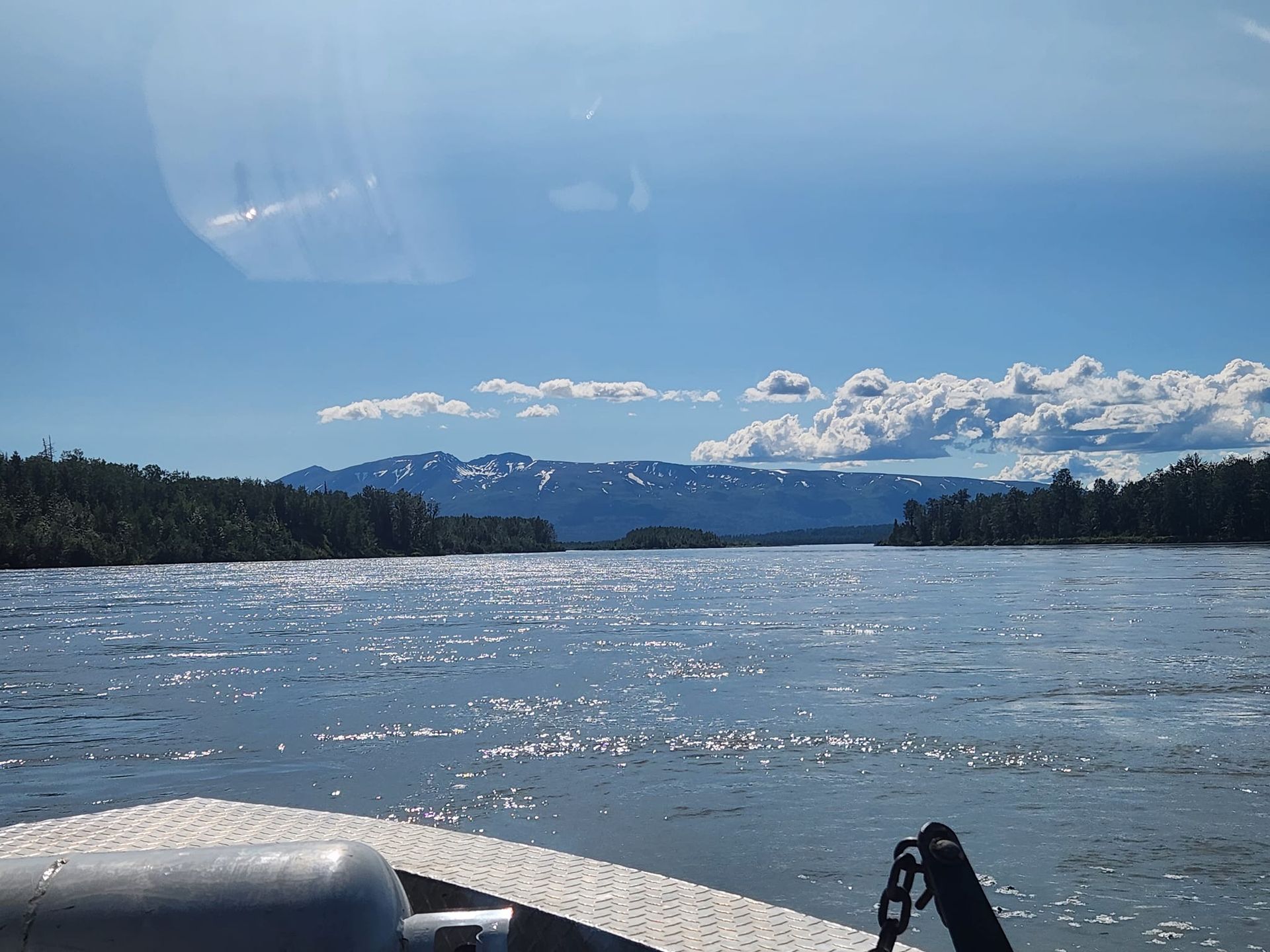
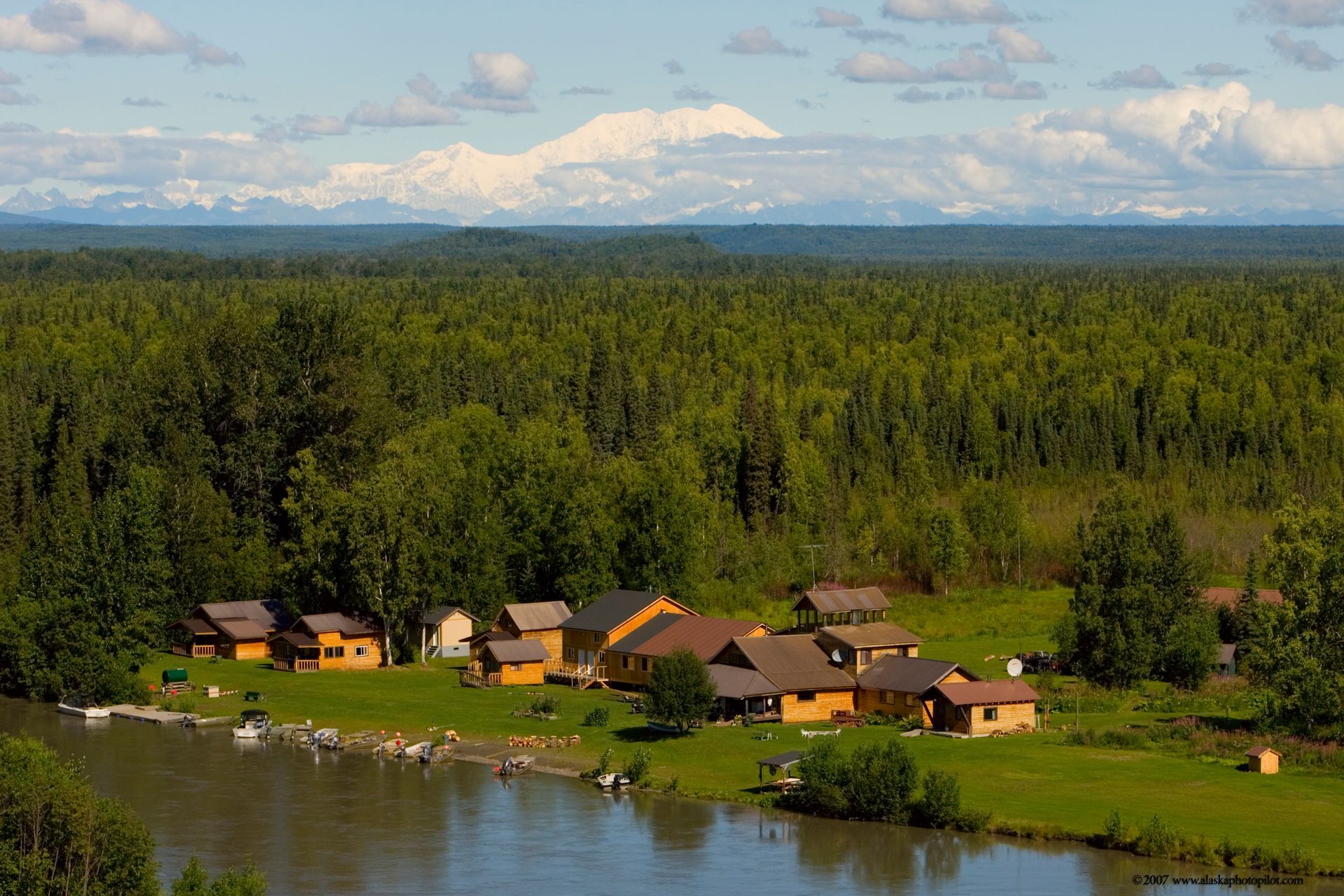
The most practical answer is flying west of Anchorage into the Yentna River drainage. This is where clear tributaries like Lake Creek meet larger glacial rivers. You leave the city by floatplane and land in a place with no roads, no crowds, and no development.
If you are planning a trip and want a straightforward way to do this without guesswork, learn more about trip options here.
Where Locals Go For Salmon Fishing Near Anchorage
Local anglers who want consistent salmon fishing without crowds head toward Lake Creek. It flows into the Yentna River roughly 65 miles northwest of Anchorage and is only accessible by floatplane (or a two hour boat ride up Deshka Landing).
The key detail is location. Fishing improves dramatically when you stay directly on a migration corridor instead of commuting long distances each day. On Lake Creek, every salmon entering the system passes through the same stretch of water before moving upstream.
What Species You Can Catch And When
Salmon fishing near Anchorage is seasonal, and timing matters more than gear or experience level.
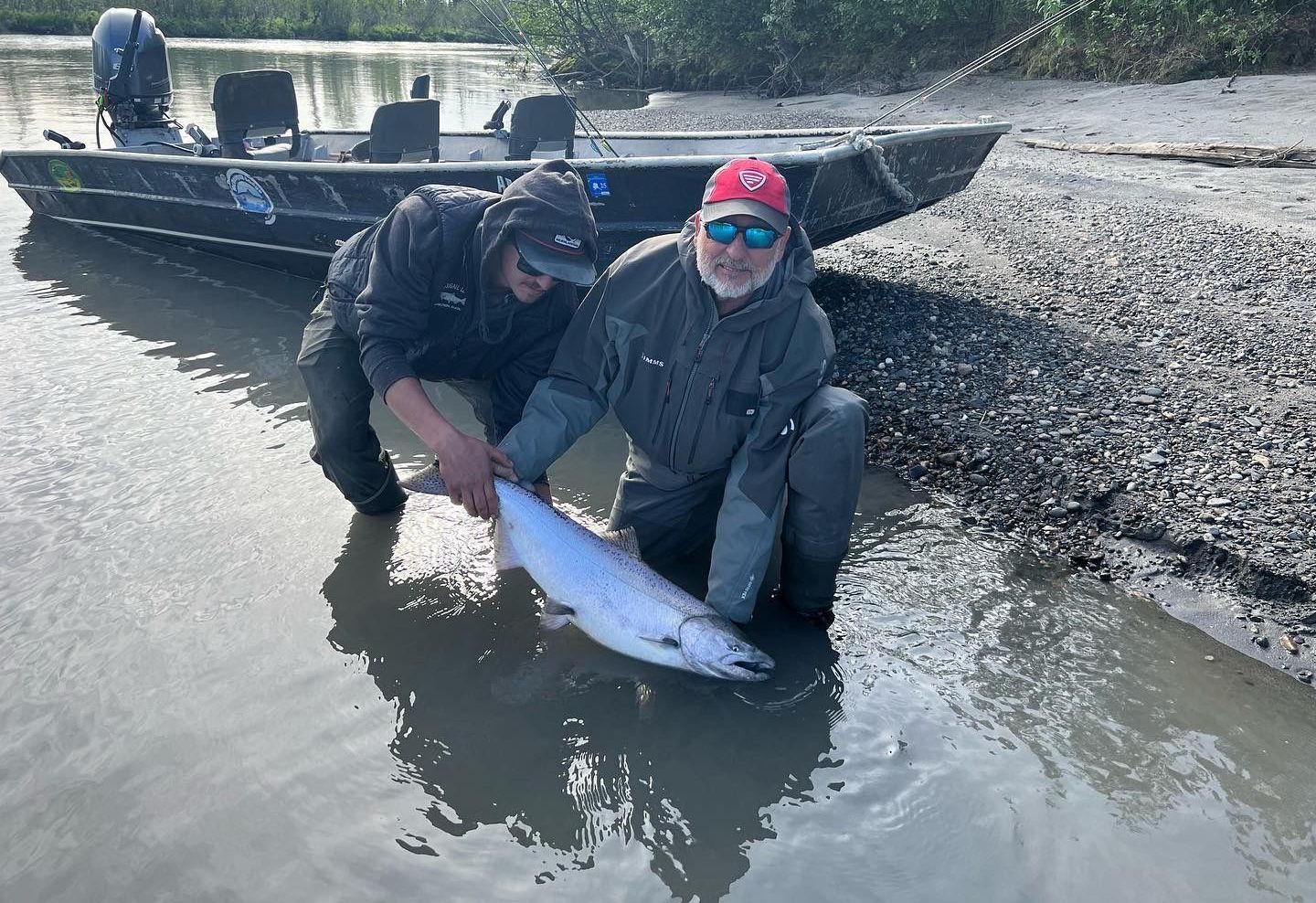
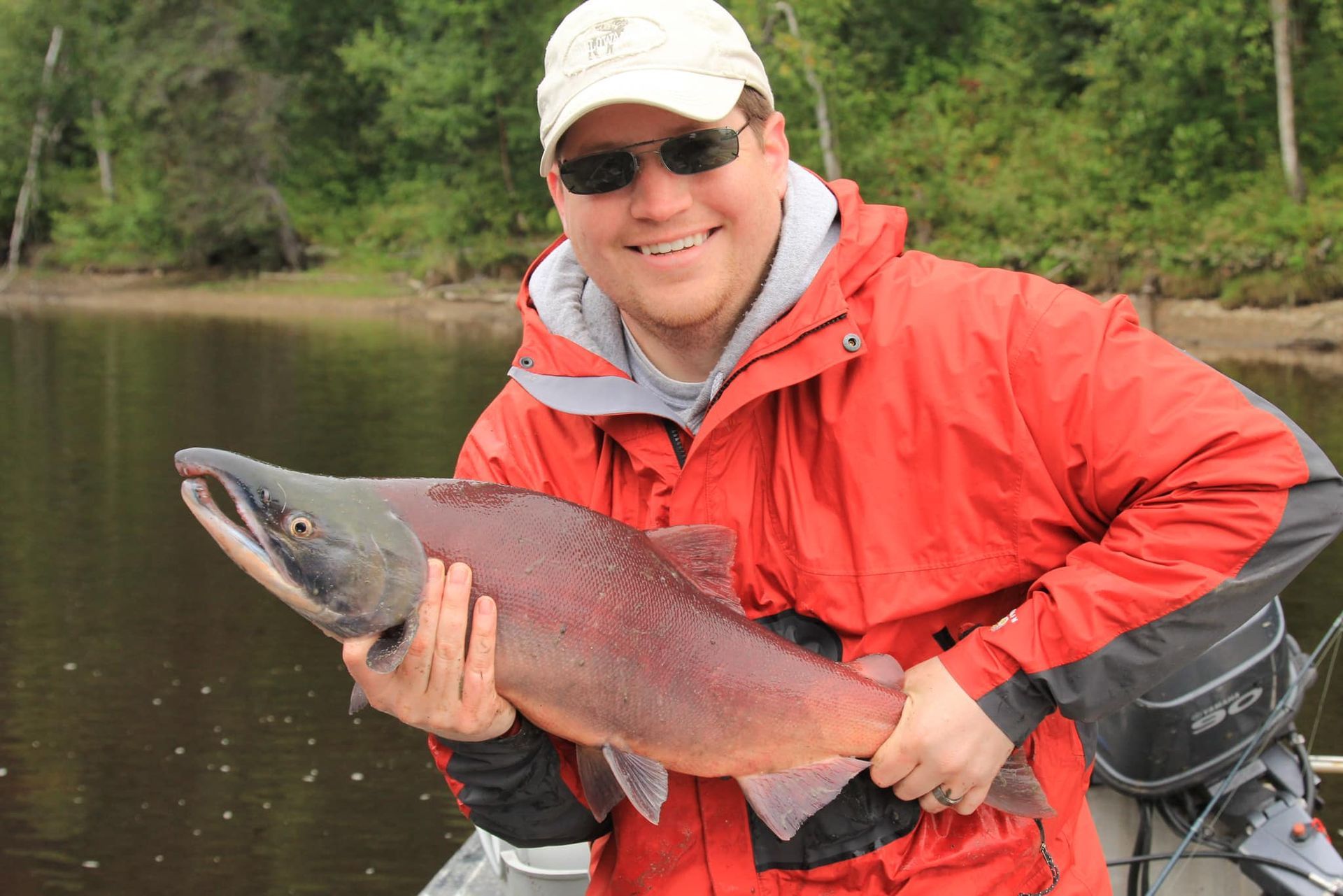
- King salmon typically arrive mid June and taper off by early July.
- Sockeye and Pink salmon follow and are common through July.
- Coho/Silver and Chum salmon arrive later, often peaking from late July into August.
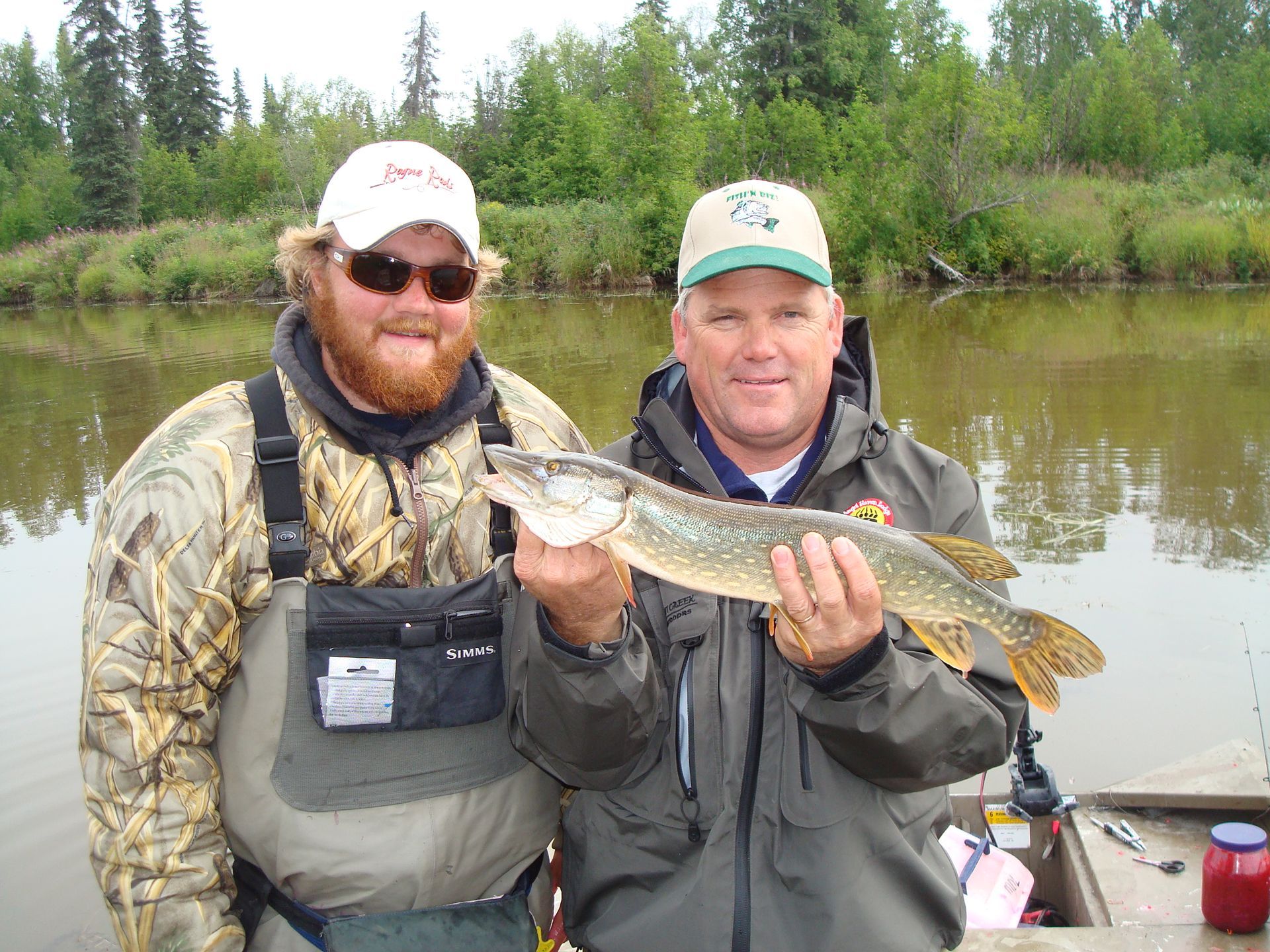
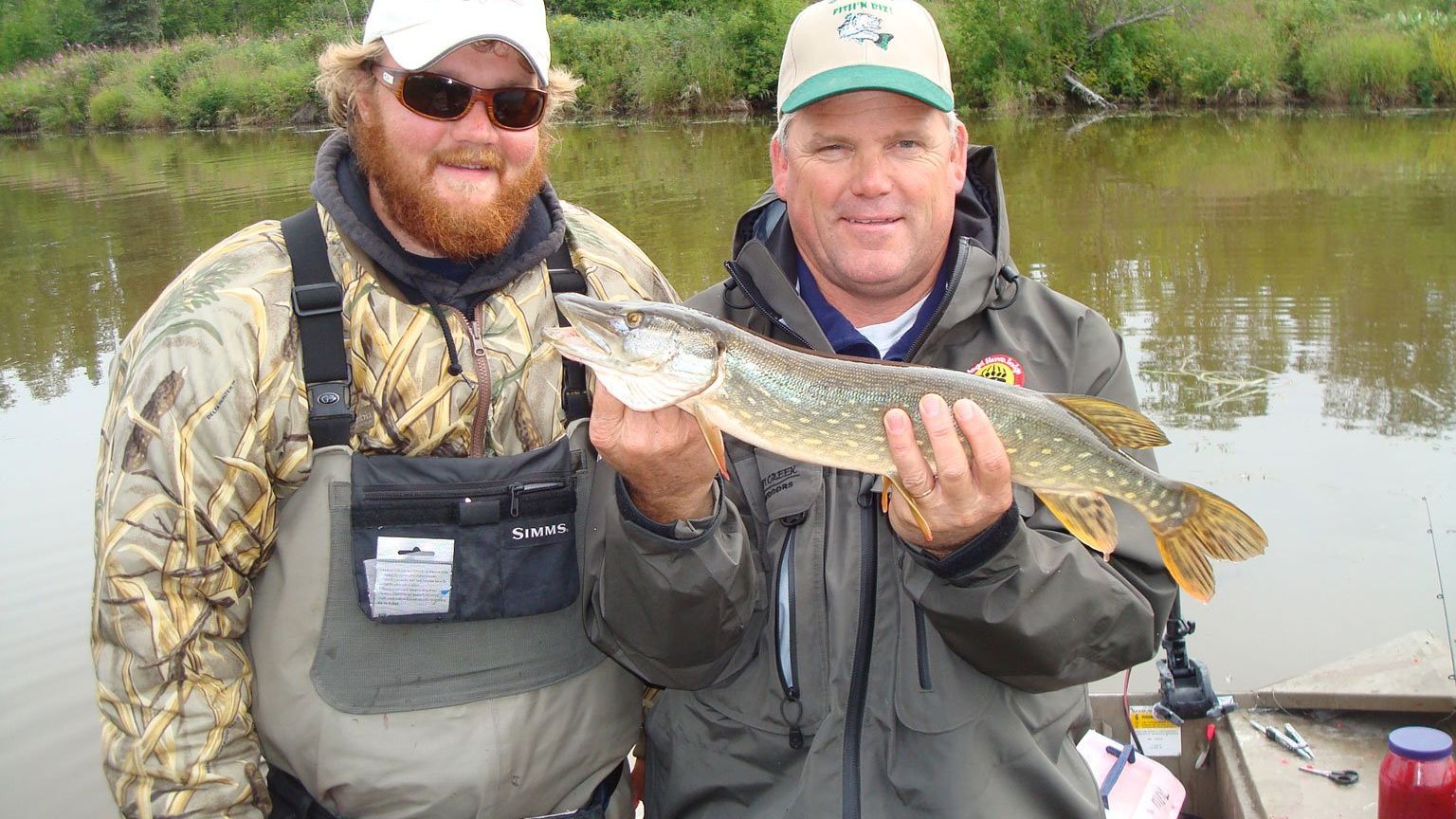
Rainbow Trout, Arctic Grayling, and Northern Pike are present all summer and are often targeted between salmon runs or during slower tides.
How Fly In Fishing Actually Works
How Do You Get There?
Guests meet at a floatplane base (Lake Hood) in Anchorage and fly about 30 minutes to Lake Creek. The route passes over wetlands, braided rivers, and open tundra. There are no roads or backup routes once you leave the city.
Is The Flight Included?
Yes. For most fly in fishing trips on Lake Creek, the floatplane flight, lodging, meals, and guided fishing are bundled together. This removes the need to coordinate transportation, boats, or daily logistics on your own.
What Makes Fishing Lake Creek Different
Lake Creek is clear and relatively narrow compared to larger glacial rivers. That clarity allows anglers to see fish holding in runs and along gravel bars. It also makes wading safer and more productive.
The lower section near the mouth is especially important. Salmon funnel through this stretch as they leave the Yentna River and commit to Lake Creek. Guides can adjust daily plans based on water level, tide movement, and fish behavior without long boat runs.
Common Questions Travelers Ask
Is This Suitable For Beginners?
Yes. Clear water and visible fish make learning easier. Guides spend time teaching casting, reading water, and fish handling rather than just moving locations.
What Are The Accommodations Like?
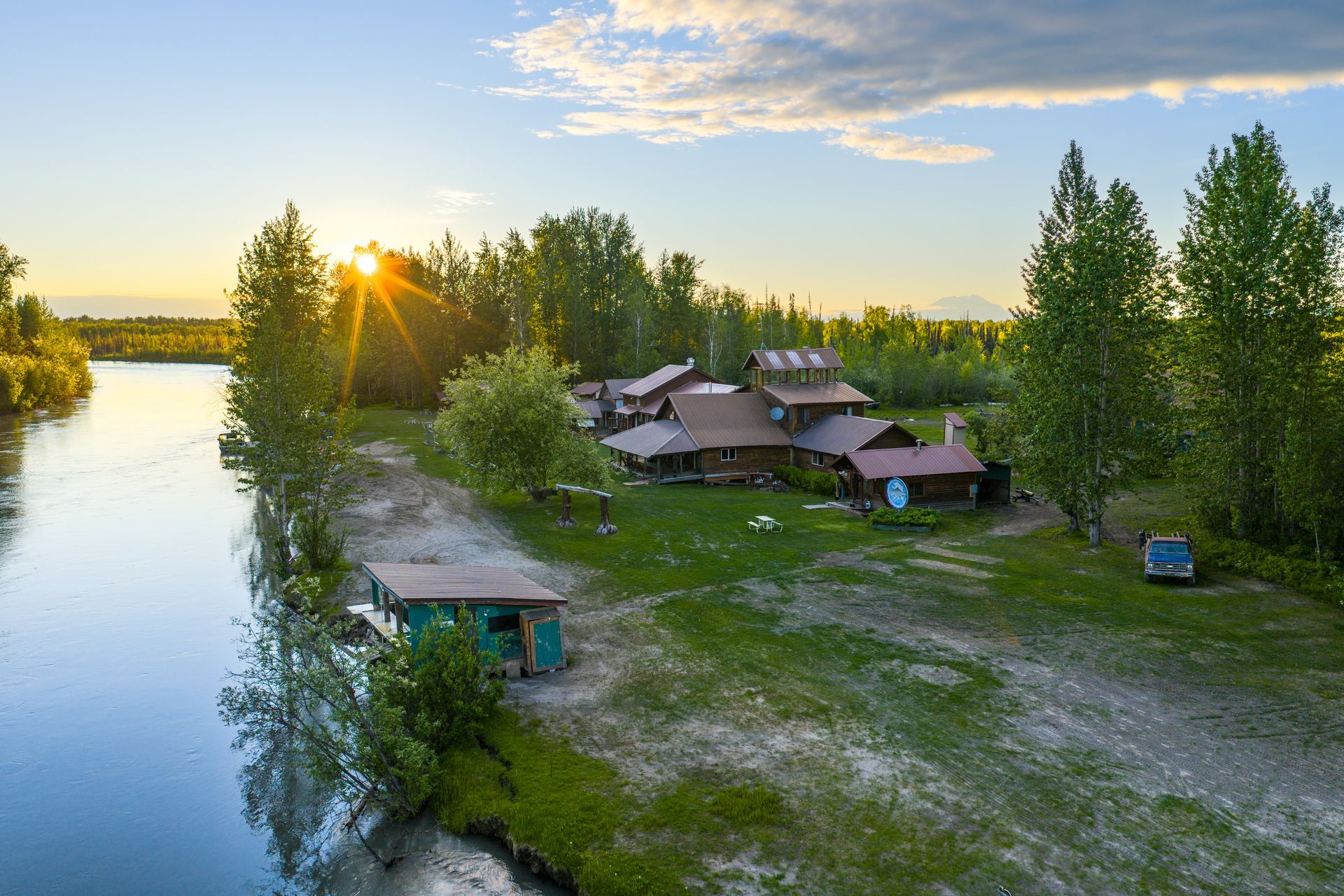
Accommodations are simple and functional. Hot water showers and flush toilets are available, which is uncommon in remote Alaska. Meals are prepared on site and served communally, which most guests appreciate after a long day on the river.
How Many Days Do You Need?
Most travelers choose three (four days of fishing) or four night (five days of fishing) packages. This allows enough time to fish multiple runs and adjust for weather or river conditions. Day trips are possible but more dependent on flight schedules.
When Is The Best Time To Plan A Trip?
Late June through early August is the most reliable window for salmon fishing near Anchorage. Weather, water levels, and run timing always vary, but Lake Creek consistently produces throughout the core summer season.
If you are looking for true remote salmon fishing near Anchorage without a long expedition or complicated planning, a fly in trip to Lake Creek and McDougall Lodge is one of the most efficient options available.
To check dates, trip lengths, and what is included, start here.