Ultimate Guide to Fly-In Fishing in Alaska

Ronald Jewett • October 27, 2025

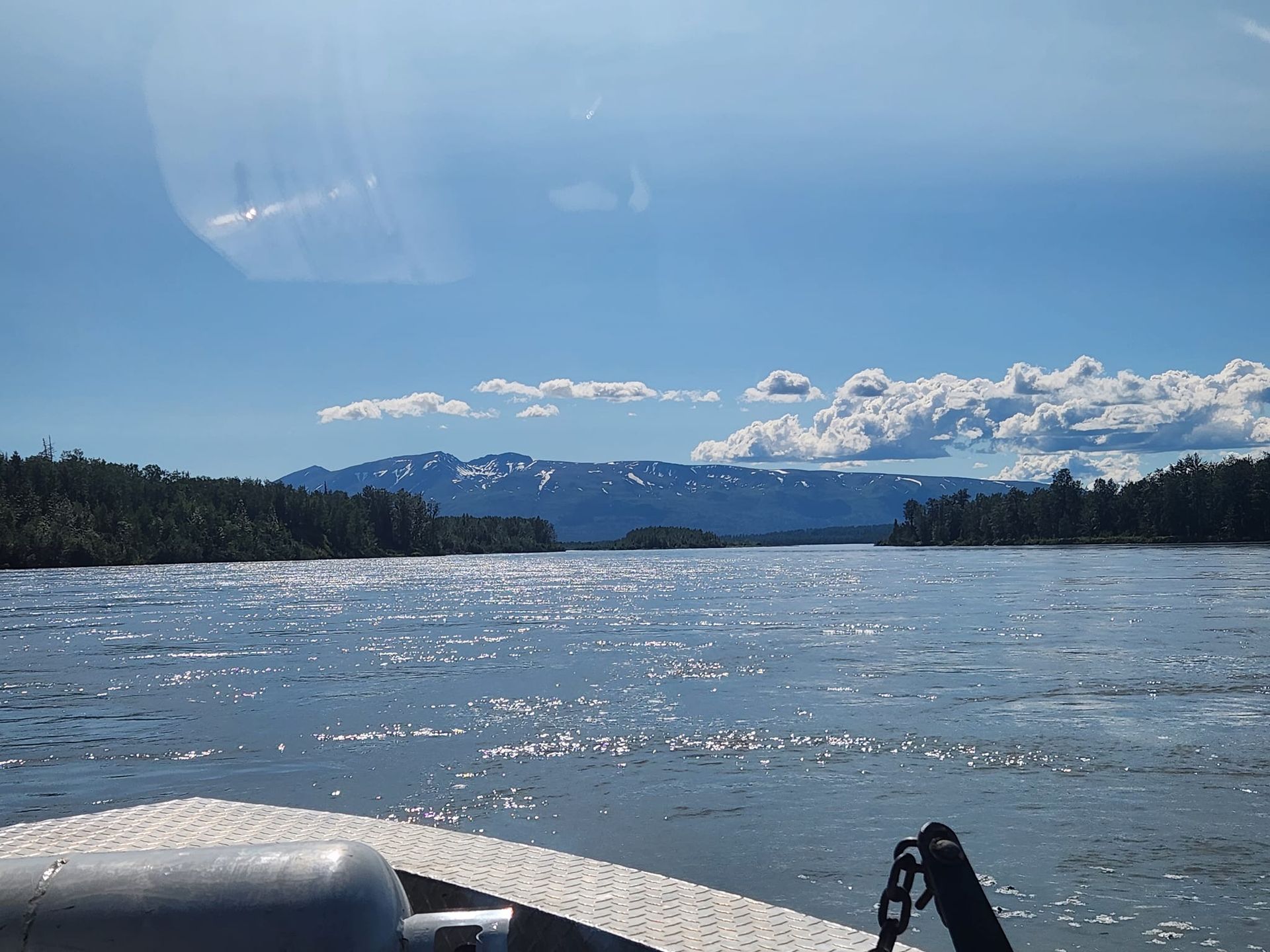
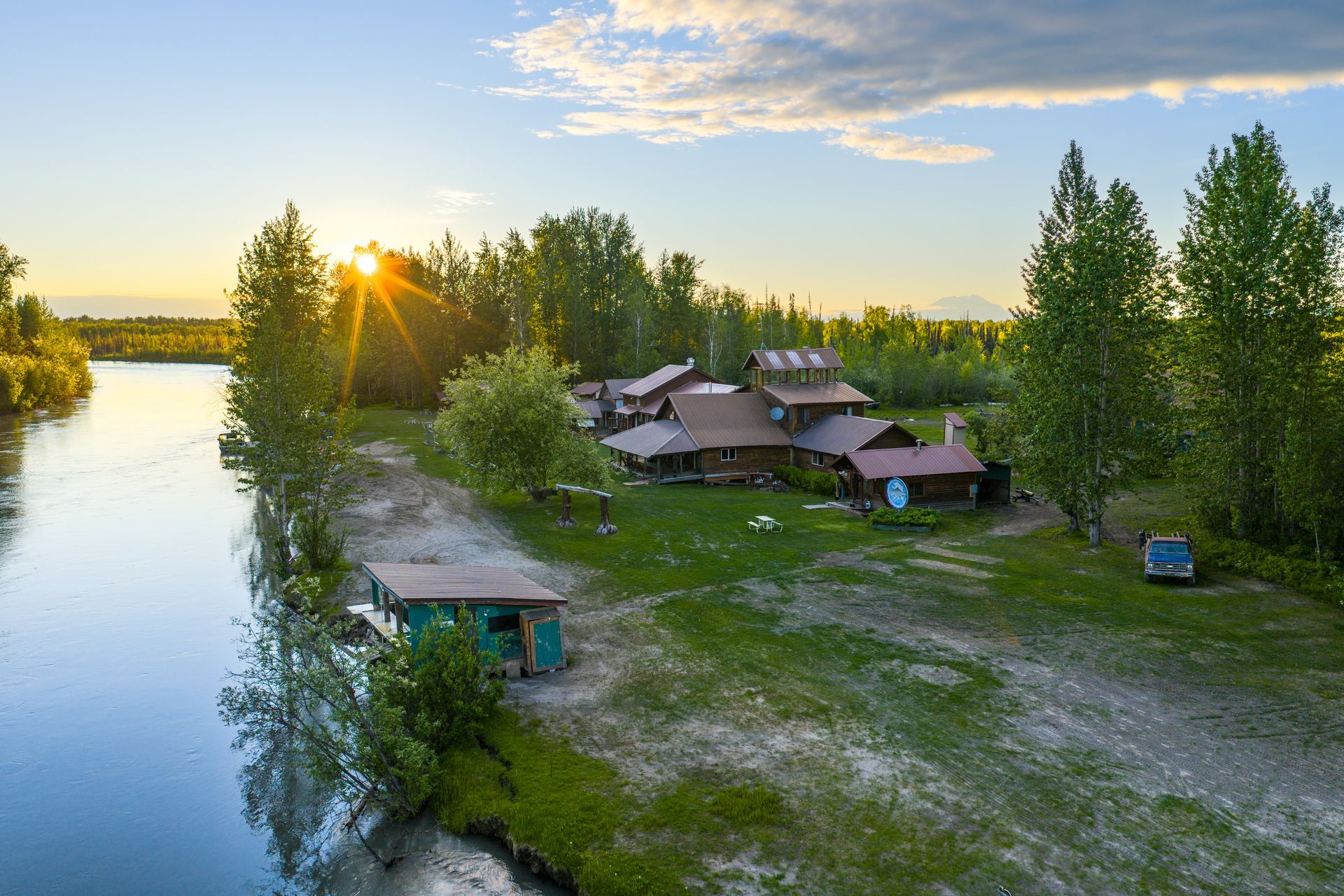
There’s nothing quite like boarding a floatplane in Anchorage, lifting off over endless spruce forests, and landing on a remote river where the only sound is rushing water and the call of an eagle overhead. That’s the magic of fly-in fishing in Alaska, and it’s exactly what awaits you at McDougall Lodge on Lake Creek.

Fly-in fishing isn’t just about catching fish. It’s about leaving the noise of the world behind and stepping into a place where wild salmon surge through clear waters and the wilderness feels untouched. Whether you’re an experienced angler or it’s your first time with a rod in hand, here’s your ultimate guide to fly-in fishing in Alaska.


Why Fly-In Fishing Is So Special

  • True Wilderness Access – Fly-in lodges like McDougall are only reachable by floatplane. That means fewer crowds, pristine waters, and endless fishing opportunities right outside the cabin door.

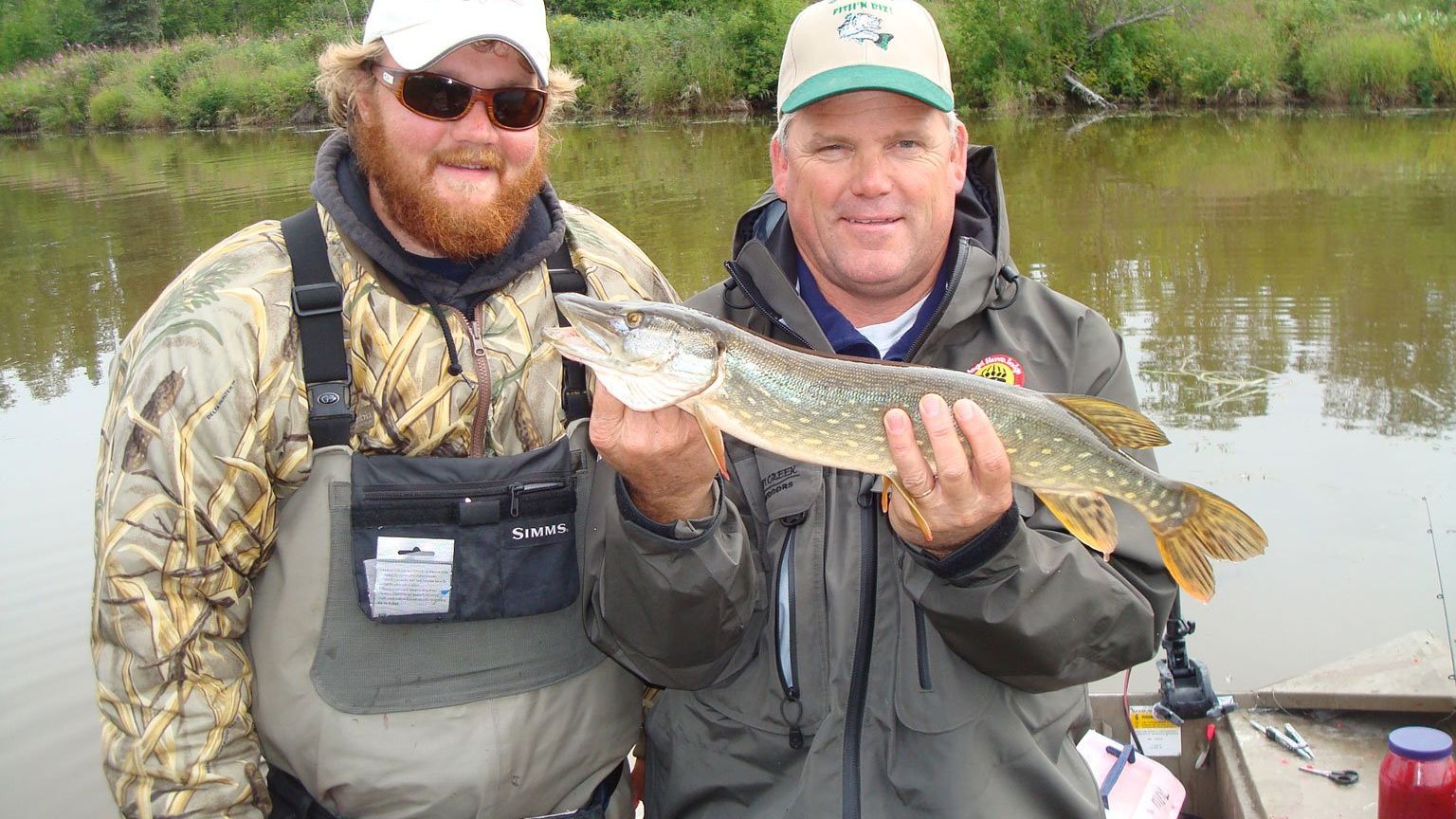
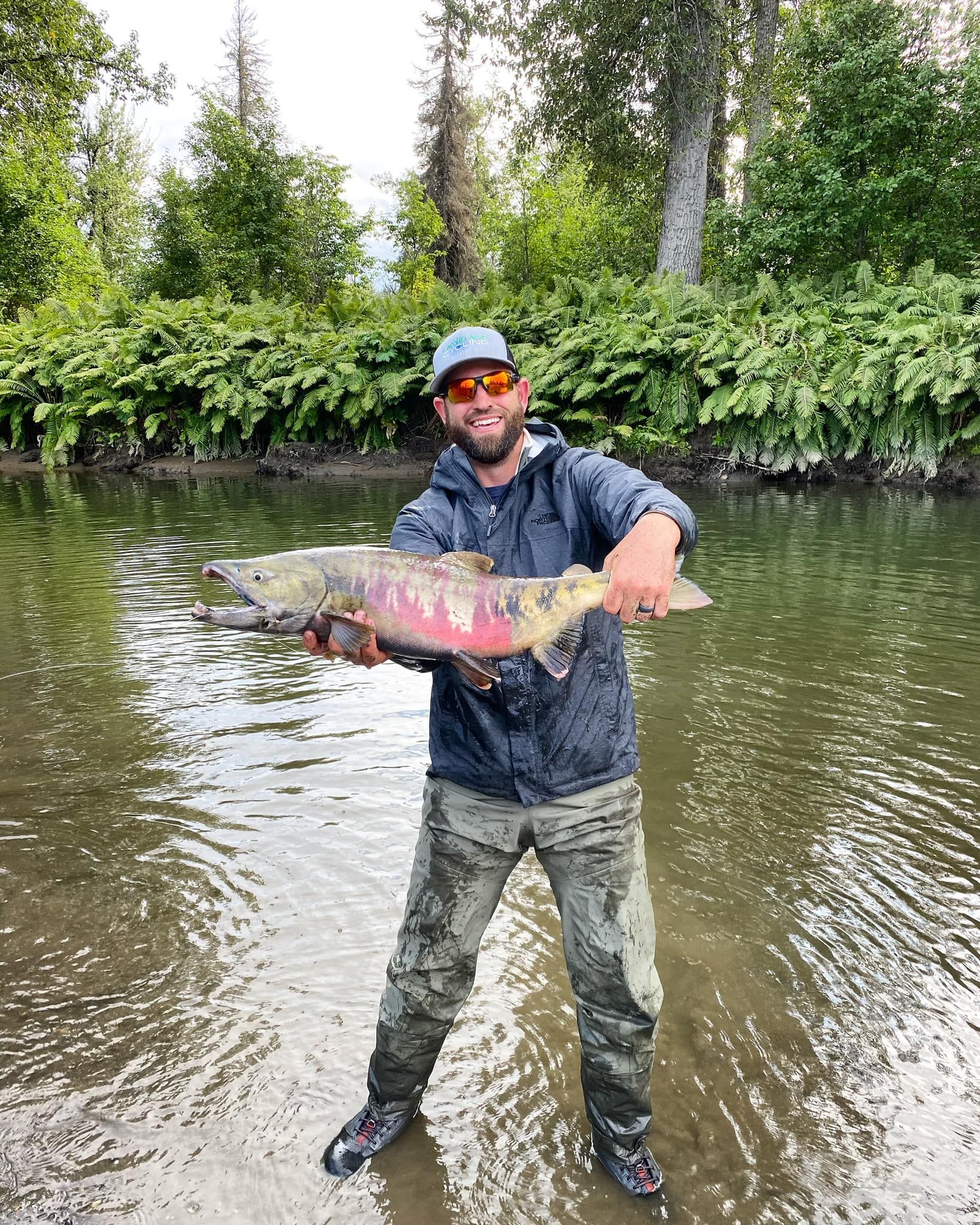
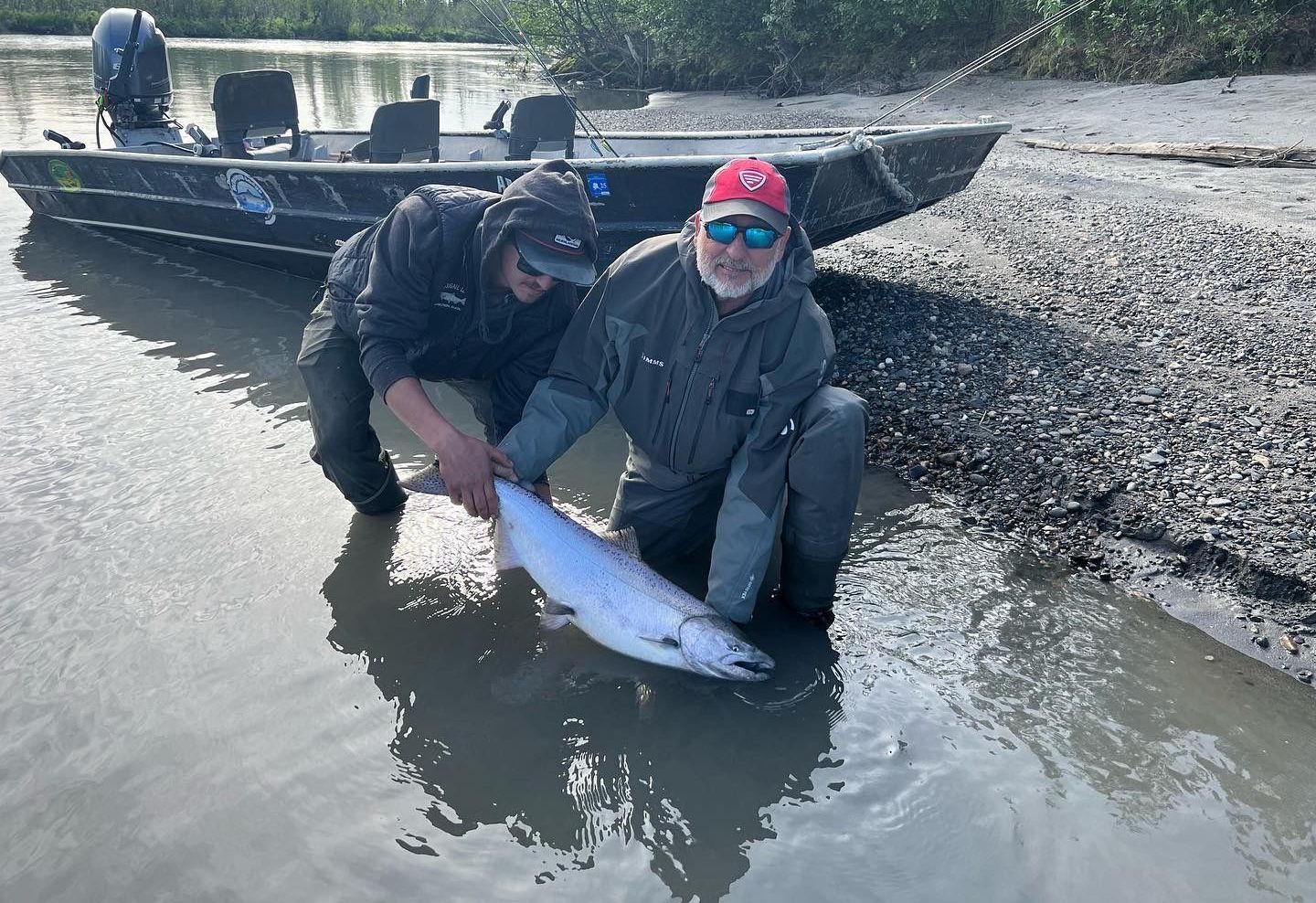
  • Every Salmon Swims By – Lake Creek connects directly to the Yentna River, and all five species of Pacific salmon pass by our lodge on their journey. King, sockeye, silver, pink, and chum salmon all make their way right through our waters. Dolly Varden and Rainbows are two more common catches.

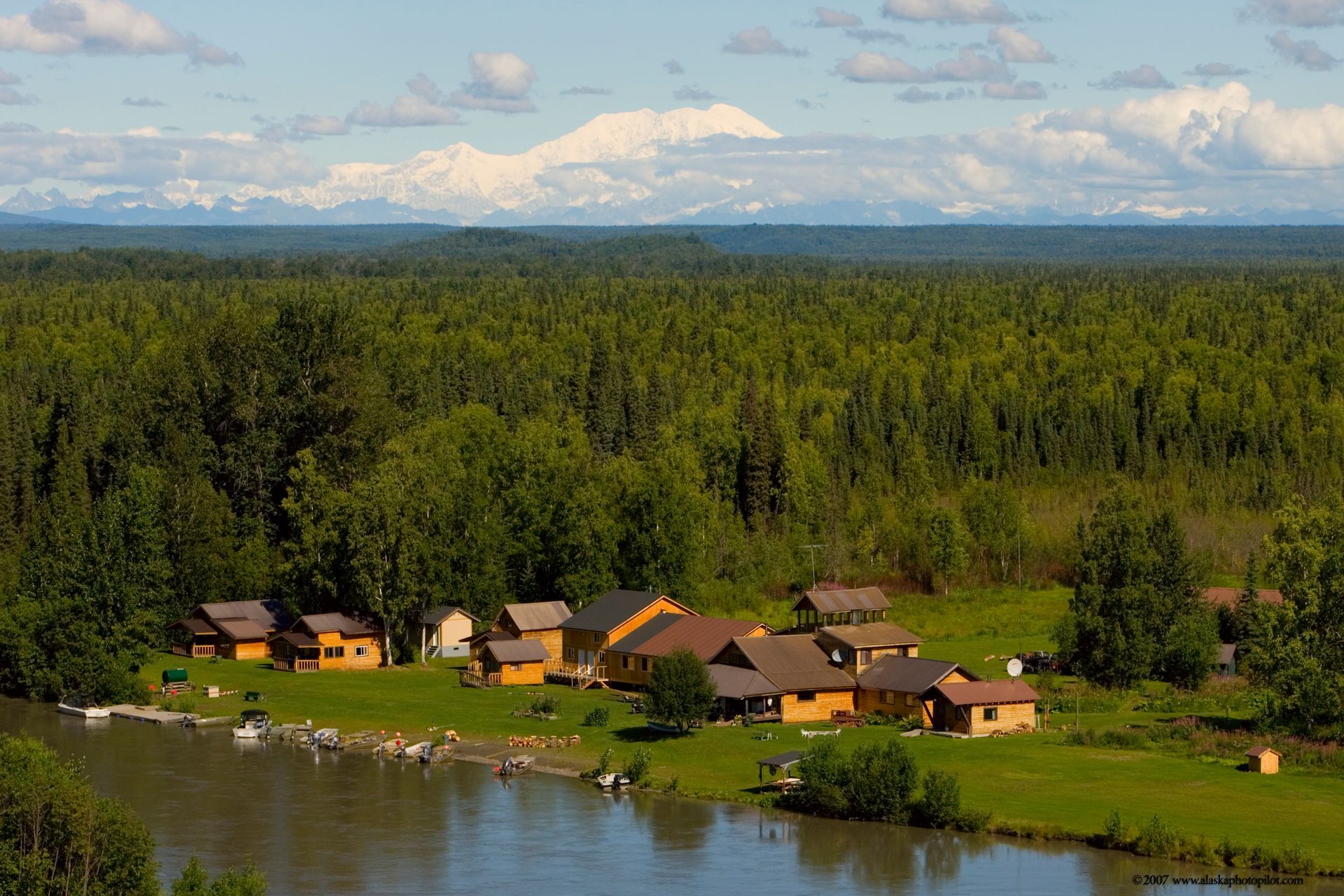
  • Comfort Meets Adventure – Unlike many remote camps, McDougall Lodge offers hot showers, flush toilets, hearty home-cooked meals, and the largest fleet of boats on the river. You get adventure without sacrificing comfort.


Tips for a Successful Fly-In Fishing Trip

The Essentials

  1. Enjoy the Flight as Much as the Fishing

One of the biggest perks of fly-in fishing is the journey itself. Your adventure begins with a breathtaking bush plane flight over Alaska’s wilderness, ending with a smooth landing right on the river. It’s an unforgettable way to start and end each day on the water.

  1. Listen to Your Guide
    Conditions change quickly in Alaska. Our guides know where the fish are moving and how to adapt if water levels or clarity shift after rain. Trust their expertise. They’re the key to a great trip.

  2. Respect the Weather
    Alaska’s weather can flip from sunny to stormy in a matter of hours. Always dress in layers and keep a dry set of clothes back at the lodge.

  3. Know Your Seasons
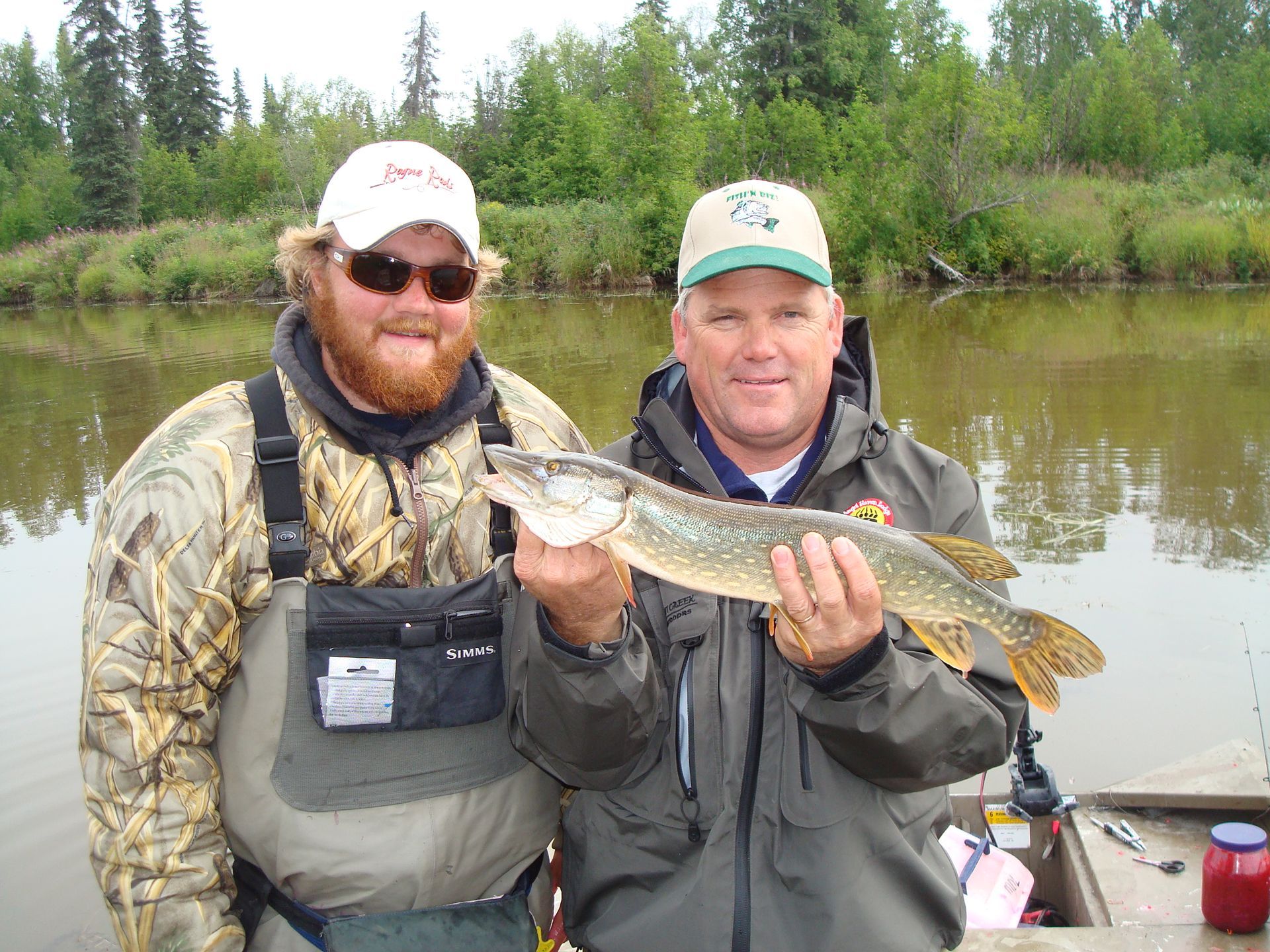
    Timing is everything. Kings run earlier in the summer, while sockeyes and silvers arrive later. Rainbow trout and Arctic grayling are present all season long. Northern Pike are best during the King run and the last two weeks of August.

  4. Pay Attention to Water Clarity
    One of the most important factors in fishing success is water clarity. The day after a big rain, the water can turn murky, making fish harder to spot. The good news is that our guides are experts at adjusting tactics and still finding fish, even in less-than-ideal conditions.


5 Lesser-Known Tips for Fly-In Fishing in Alaska

  1. Bring Polarized Sunglasses
    They’re not just for eye protection. Polarized lenses cut glare so you can see fish in the water more easily.

  2. Don’t Forget Finger Protection
    Handling salmon all day can leave line burns or sore fingers. A pair of lightweight fishing gloves or finger sleeves goes a long way.

  3. Pack a Small Journal
    Between wildlife sightings, fishing stories, and floatplane flights, you’ll want to jot things down. These little notes become some of the best souvenirs.

  4. Stay Flexible
    Fish move. Weather shifts. Some of the best days happen when you let go of the plan and follow where the river leads.

  5. Enjoy the Shore Lunch
    Catching a salmon is incredible, but cooking it riverside, fresh from the water, might just be the best meal you’ve ever had. If conditions allow, your guide will cook up your catch for you to enjoy!


Ready for Your Trip of a Lifetime?

Fly-in fishing in Alaska is about more than filling a cooler. It’s about the thrill of the catch, the wild beauty of untouched rivers, and the stories you’ll bring home. At McDougall Lodge, we combine expert guiding with hotel-quality comfort, so you can focus on the adventure and leave the details to us.

Your floatplane is waiting. Book your Alaska fly-in fishing trip today and experience Lake Creek the way it’s meant to be. Wild, remote, and unforgettable.
By Ronald Jewett March 25, 2026
If you’re planning a fly-in fishing trip to McDougall Lodge on Lake Creek, just off the Yentna River about 65 miles northwest of Anchorage, you probably have a few practical questions. Below are clear, direct answers based on what guests ask most often. Fish Filleting And Getting Your Catch Home How is my fish handled during the trip? Your guide fillets your fish the same day you catch it. Each piece is vacuum sealed and frozen so it stays in good condition until you leave. How do I bring fish home from Alaska? When you return to Anchorage by floatplane, you will stop at Rust’s Flying Service. Your fish will already be labeled and organized. From there: You can buy a fish box for $20 at Rust’s Staff will pack and label it for airline check-in Most guests check it as a second bag, which keeps costs down You do not need to bring a cooler. Travel And Getting To The Lodge Do I need to book my own floatplane to Lake Creek? No. Your floatplane flight is arranged for you. Our staff coordinates all of those details ahead of your trip. What does travel day look like from Anchorage? You will be picked up from your hotel Monday morning and driven to Rust’s Flying Service. From there, you board a floatplane and fly to the lodge. How long is the flight from Anchorage to the lodge? The flight is about 30 minutes and follows the Susitna Valley out toward the Yentna River. Where should I stay in Anchorage before the trip? Many guests stay near Spenard Road since it is close to Lake Hood, where floatplanes depart. The Alex Hotel and the La Quinta Inn both offer free shuttle service. The Coastal Inn is another good option, though it does not include a shuttle. Fishing License Requirements Do I need a fishing license for this trip? Yes. All guests need a non-resident Alaska fishing license. However, guest under the age of 12 do not need a license. How do I get my Alaska fishing license before arriving? You can purchase it online through the Alaska Department of Fish and Game website before your trip. The license must be signed You can keep it on your phone or bring a printed copy Your guide will check it each day before heading out on the water. Lodge And Cabin Details What are the accommodations like at McDougall Lodge? The lodge is remote but comfortable. You will have hot showers and flushing toilets, which are not common in this part of Alaska. Will I be sharing a cabin with other groups? No. Each group stays in its own space. Groups are not combined. How are the cabins set up? All cabins have twin beds. Layout includes: One cabin that sleeps eight Four cabins that sleep four One cabin that sleeps three Three private rooms in the main lodge that sleep two Meals are prepared on-site, and many guests mention the quality of the food as a highlight of their stay. Daily Fishing Schedule How many hours a day do you fish on Lake Creek? There are four fishing windows each day. Most guests fish three of them with their guide. What are the fishing times during the day? Trips are scheduled around meals and include early morning, midday, evening, and a late evening option that can run until around 11 PM during peak summer light. Can I fish all four sessions in one day? No. Guests typically fish three sessions. If you choose the late evening trip, you will skip the early morning session the next day. Guides also spend time after trips cleaning and preparing fish. Gear And Clothing Do I need waders for fishing on Lake Creek? No. Waders are optional and some guests do not use them. However many of our guests do choose to wear breathable chest waders. What should I bring for clothing on a summer fishing trip in Alaska? Bring solid rain gear. Weather around the Yentna River system can change quickly, even in the middle of summer. Fishing equipment and boats are provided. Tipping At The Lodge How does tipping work at McDougall Lodge? On your last night, you will find three envelopes on your bed. One is for your guide, one for the chef, and one for housekeeping. You can divide your tip based on your experience. Best Time To Fish Lake Creek And The Yentna River When is the best time to visit McDougall Lodge for fishing? Fishing runs shift throughout the summer, but there is always something available. What fish can I catch near the mouth of Lake Creek? This stretch where Lake Creek meets the Yentna River is known for Sockeye, Pink, Chum, and King salmon. You will also find Rainbow Trout, Arctic Grayling, and Northern Pike throughout the season. Is there a time of year that stands out? June is a strong option for many guests due to early salmon movement and long daylight hours. Rainbow trout are consistently available across the season. A detailed run timing chart is available on the lodge website to help you plan around specific species. A trip to McDougall Lodge is straightforward once you understand the flow. You start in Anchorage, fly out by floatplane, and spend your days fishing a section of river where multiple salmon runs pass through. Most of the logistics are already handled. You just need to arrive prepared for changing weather, ready to fish, and comfortable spending full days on the water.
By Ronald Jewett March 2, 2026
What People Mean By “Remote” Near Anchorage When visitors ask about remote salmon fishing near Anchorage, they usually mean three things. Fewer people. Wild fish that have not been pressured all season. A place that feels far from town but does not require days of travel. The most practical answer is flying west of Anchorage into the Yentna River drainage. This is where clear tributaries like Lake Creek meet larger glacial rivers. You leave the city by floatplane and land in a place with no roads, no crowds, and no development. If you are planning a trip and want a straightforward way to do this without guesswork, learn more about trip options here . Where Locals Go For Salmon Fishing Near Anchorage Local anglers who want consistent salmon fishing without crowds head toward Lake Creek. It flows into the Yentna River roughly 65 miles northwest of Anchorage and is only accessible by floatplane (or a two hour boat ride up Deshka Landing). The key detail is location. Fishing improves dramatically when you stay directly on a migration corridor instead of commuting long distances each day. On Lake Creek, every salmon entering the system passes through the same stretch of water before moving upstream. What Species You Can Catch And When Salmon fishing near Anchorage is seasonal, and timing matters more than gear or experience level. King salmon typically arrive mid June and taper off by early July. Sockeye and Pink salmon follow and are common through July. Coho/Silver and Chum salmon arrive later, often peaking from late July into August. Rainbow Trout, Arctic Grayling, and Northern Pike are present all summer and are often targeted between salmon runs or during slower tides. How Fly In Fishing Actually Works How Do You Get There? Guests meet at a floatplane base (Lake Hood) in Anchorage and fly about 30 minutes to Lake Creek. The route passes over wetlands, braided rivers, and open tundra. There are no roads or backup routes once you leave the city. Is The Flight Included? Yes. For most fly in fishing trips on Lake Creek, the floatplane flight, lodging, meals, and guided fishing are bundled together. This removes the need to coordinate transportation, boats, or daily logistics on your own. What Makes Fishing Lake Creek Different Lake Creek is clear and relatively narrow compared to larger glacial rivers. That clarity allows anglers to see fish holding in runs and along gravel bars. It also makes wading safer and more productive. The lower section near the mouth is especially important. Salmon funnel through this stretch as they leave the Yentna River and commit to Lake Creek. Guides can adjust daily plans based on water level, tide movement, and fish behavior without long boat runs. Common Questions Travelers Ask Is This Suitable For Beginners? Yes. Clear water and visible fish make learning easier. Guides spend time teaching casting, reading water, and fish handling rather than just moving locations. What Are The Accommodations Like? Accommodations are simple and functional. Hot water showers and flush toilets are available, which is uncommon in remote Alaska. Meals are prepared on site and served communally, which most guests appreciate after a long day on the river. How Many Days Do You Need? Most travelers choose three (four days of fishing) or four night (five days of fishing) packages. This allows enough time to fish multiple runs and adjust for weather or river conditions. Day trips are possible but more dependent on flight schedules. When Is The Best Time To Plan A Trip?  Late June through early August is the most reliable window for salmon fishing near Anchorage. Weather, water levels, and run timing always vary, but Lake Creek consistently produces throughout the core summer season. If you are looking for true remote salmon fishing near Anchorage without a long expedition or complicated planning, a fly in trip to Lake Creek and McDougall Lodge is one of the most efficient options available. To check dates, trip lengths, and what is included, start here.
By Ronald Jewett January 27, 2026
When visitors ask about remote salmon fishing near Anchorage, they usually mean three things. Fewer people. Wild fish that have not been pressured all season. A place that feels far from town but does not require days of travel.
By Ronald Jewett November 17, 2025
There’s nothing quite like boarding a floatplane in Anchorage, lifting off over endless spruce forests, and landing on a remote river where the only sound is rushing water and the call of an eagle overhead. That’s the magic of fly-in fishing in Alaska, and it’s exactly what awaits you at McDougall Lodge on Lake Creek. Fly-in fishing isn’t just about catching fish. It’s about leaving the noise of the world behind and stepping into a place where wild salmon surge through clear waters and the wilderness feels untouched. Whether you’re an experienced angler or it’s your first time with a rod in hand, here’s your ultimate guide to fly-in fishing in Alaska. Why Fly-In Fishing Is So Special True Wilderness Access – Fly-in lodges like McDougall are only reachable by floatplane. That means fewer crowds, pristine waters, and endless fishing opportunities right outside the cabin door. Every Salmon Swims By – Lake Creek connects directly to the Yentna River, and all five species of Pacific salmon pass by our lodge on their journey. King, sockeye, silver, pink, and chum salmon all make their way right through our waters. Dolly Varden and Rainbows are two more common catches. Comfort Meets Adventure – Unlike many remote camps, McDougall Lodge offers hot showers, flush toilets, hearty home-cooked meals, and the largest fleet of boats on the river. You get adventure without sacrificing comfort. Tips for a Successful Fly-In Fishing Trip The Essentials Enjoy the Flight as Much as the Fishing One of the biggest perks of fly-in fishing is the journey itself. Your adventure begins with a breathtaking bush plane flight over Alaska’s wilderness, ending with a smooth landing right on the river. It’s an unforgettable way to start and end each day on the water. Listen to Your Guide Conditions change quickly in Alaska. Our guides know where the fish are moving and how to adapt if water levels or clarity shift after rain. Trust their expertise. They’re the key to a great trip. Respect the Weather Alaska’s weather can flip from sunny to stormy in a matter of hours. Always dress in layers and keep a dry set of clothes back at the lodge. Know Your Seasons Timing is everything. Kings run earlier in the summer, while sockeyes and silvers arrive later. Rainbow trout and Arctic grayling are present all season long. Northern Pike are best during the King run and the last two weeks of August. Pay Attention to Water Clarity One of the most important factors in fishing success is water clarity. The day after a big rain, the water can turn murky, making fish harder to spot. The good news is that our guides are experts at adjusting tactics and still finding fish, even in less-than-ideal conditions. 5 Lesser-Known Tips for Fly-In Fishing in Alaska Bring Polarized Sunglasses They’re not just for eye protection. Polarized lenses cut glare so you can see fish in the water more easily. Don’t Forget Finger Protection Handling salmon all day can leave line burns or sore fingers. A pair of lightweight fishing gloves or finger sleeves goes a long way. Pack a Small Journal Between wildlife sightings, fishing stories, and floatplane flights, you’ll want to jot things down. These little notes become some of the best souvenirs. Stay Flexible Fish move. Weather shifts. Some of the best days happen when you let go of the plan and follow where the river leads. Enjoy the Shore Lunch Catching a salmon is incredible, but cooking it riverside, fresh from the water, might just be the best meal you’ve ever had. If conditions allow, your guide will cook up your catch for you to enjoy! Ready for Your Trip of a Lifetime? Fly-in fishing in Alaska is about more than filling a cooler. It’s about the thrill of the catch, the wild beauty of untouched rivers, and the stories you’ll bring home. At McDougall Lodge, we combine expert guiding with hotel-quality comfort, so you can focus on the adventure and leave the details to us. Your floatplane is waiting. Book your Alaska fly-in fishing trip today and experience Lake Creek the way it’s meant to be. Wild, remote, and unforgettable.