Top Tips for Fishing Day Trips from Anchorage
Most people plan a fishing day out of Anchorage by looking at a map and picking a roadside river. That usually means a long drive, crowded banks, and hoping you picked the right stretch. The more reliable move is heading in the opposite direction, straight onto a floatplane.
The 25-Minute Flight That Changes Your Entire Day
A short flight, roughly 25 minutes, puts you on Lake Creek in a part of Alaska that road systems don’t reach. That time difference matters more than people expect.
Instead of spending half the day getting there, you’re stepping off the plane and into fishable water almost immediately.
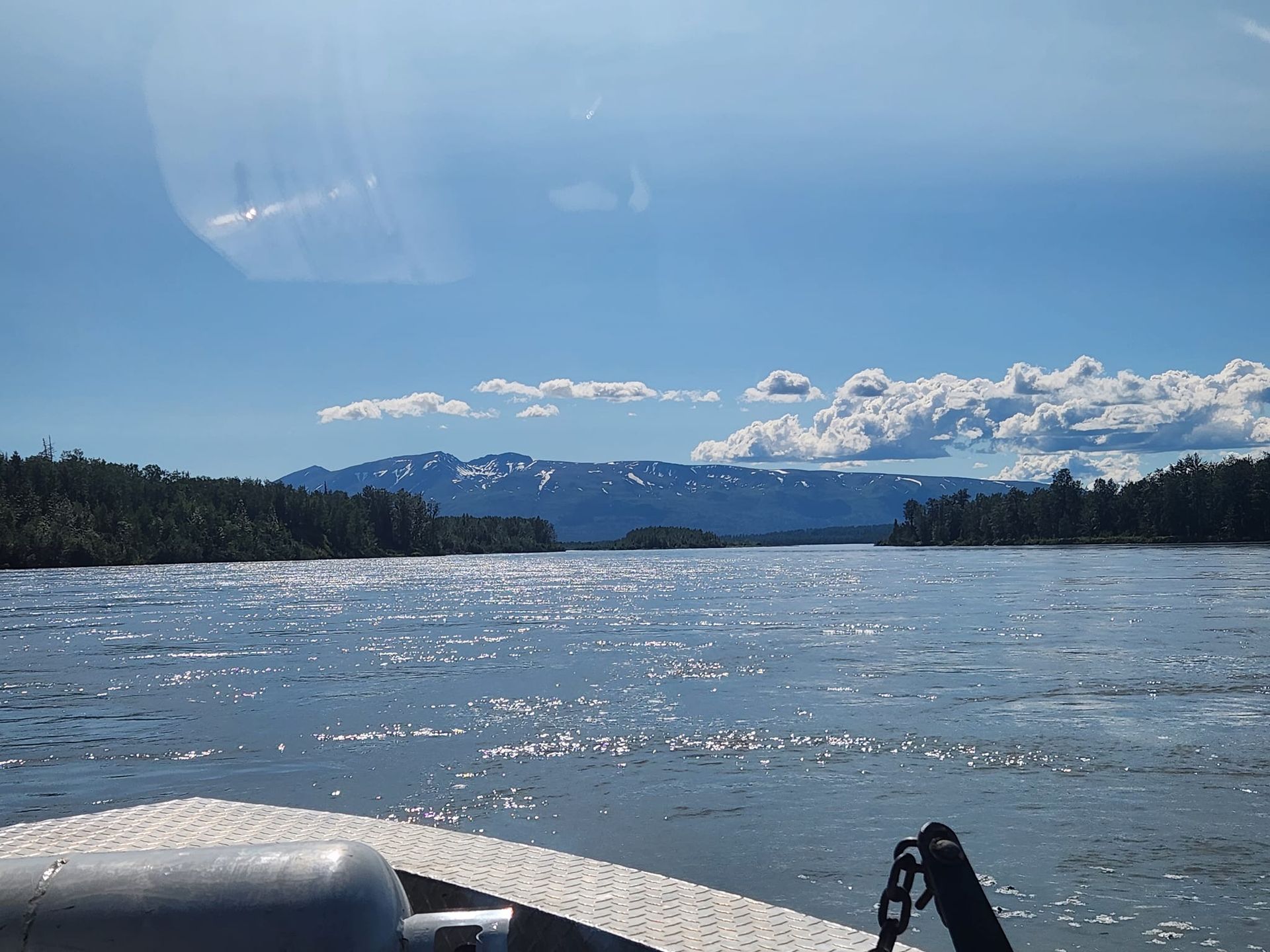
On the way in, the flight tracks over the Yentna River system. You see braided channels, shallow gravel bars, and side streams that never see foot traffic. It gives you a quick read on how much untouched water you’re about to fish.
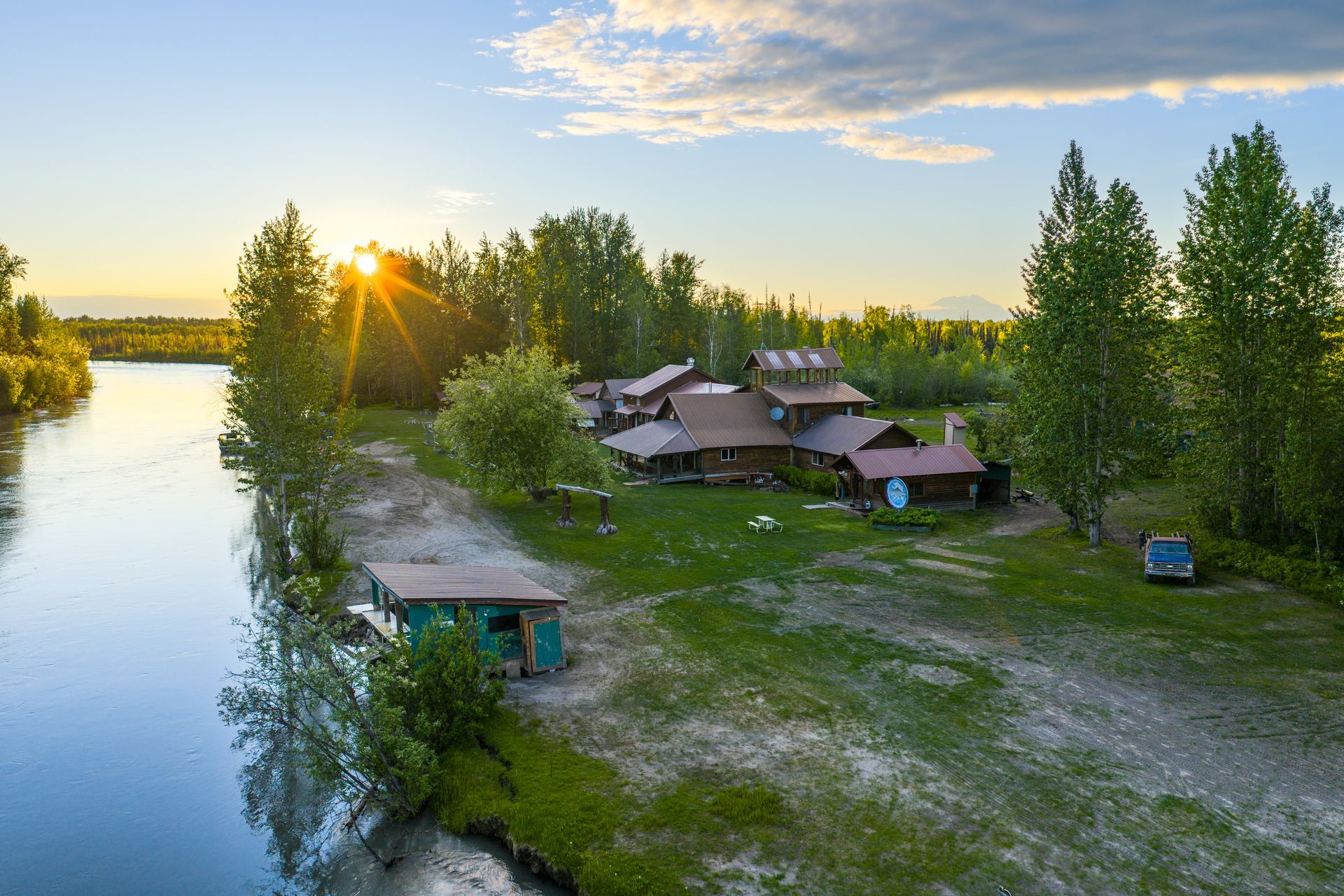
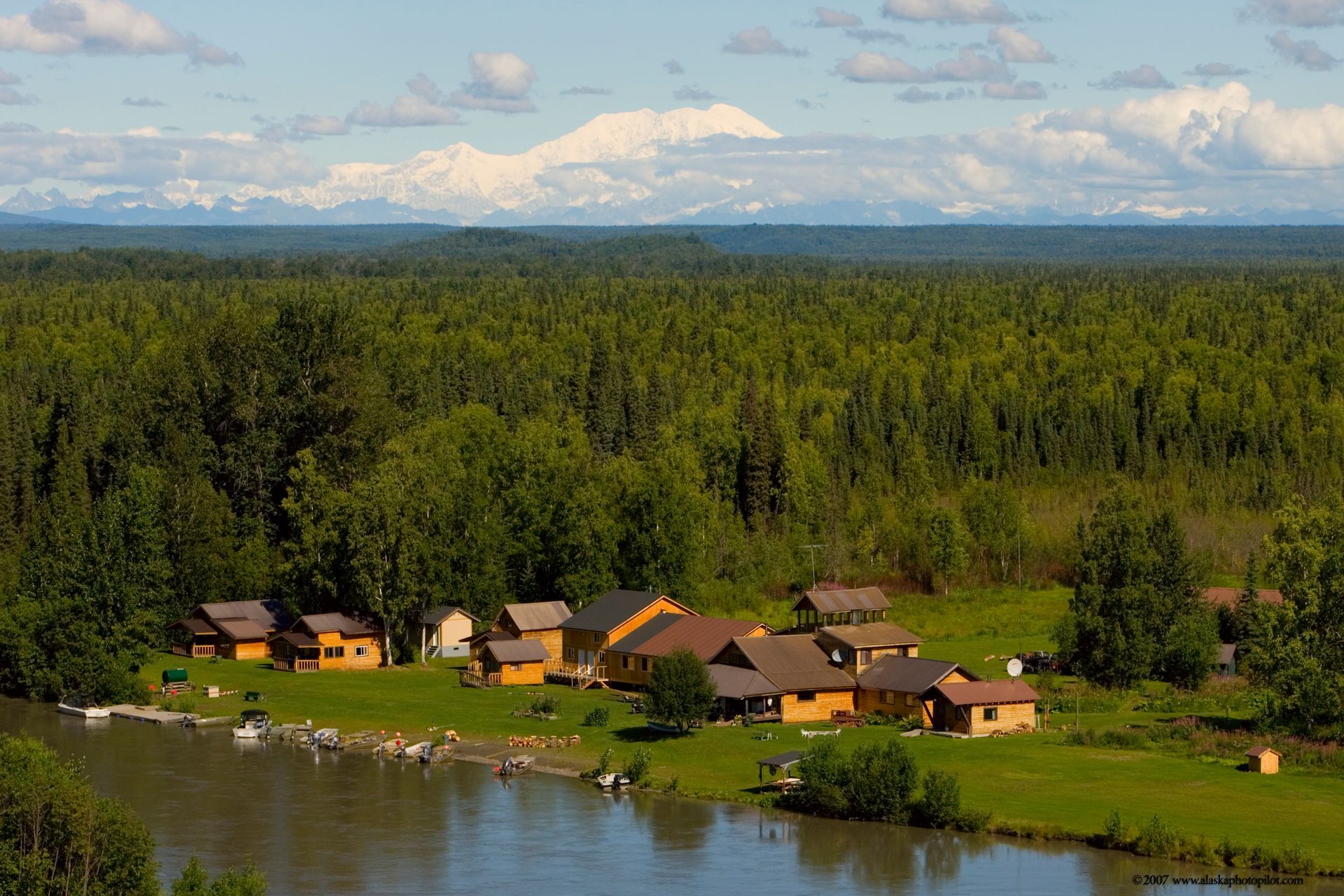
McDougall Lodge is fly-in only, which naturally limits pressure. Fewer people, more water, and a better shot at fish that aren’t reacting to constant casting.
Why River Fishing Here Feels Different From Saltwater Trips
Saltwater charters out of places like Seward or Whittier have their place, but they’re a different kind of day. Longer boat runs, working one area, and a rhythm that can feel slower between bites.
On Lake Creek, the pace is more hands-on:
- You’re casting consistently instead of waiting on a set line
- Guides reposition throughout the day based on fish movement
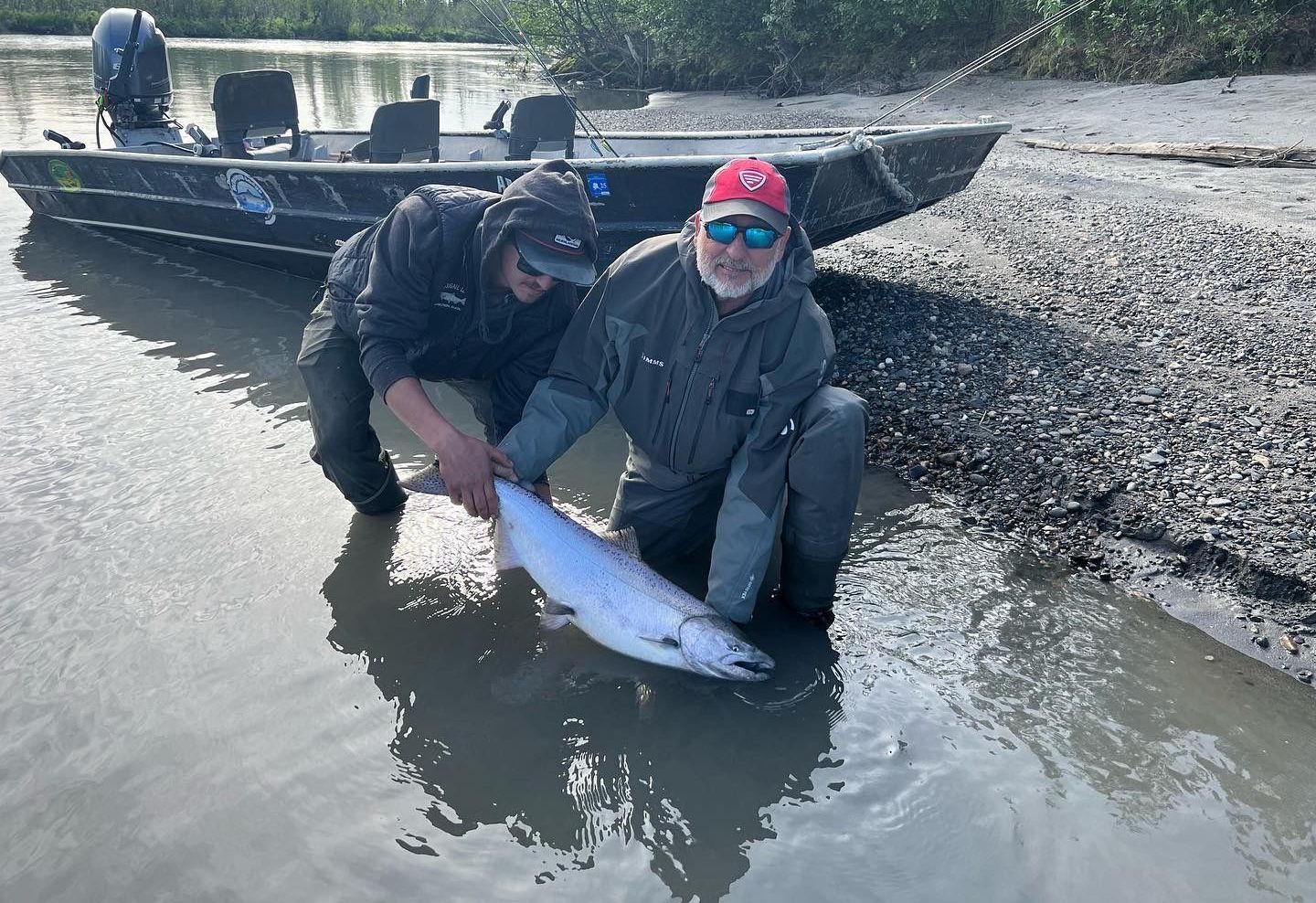
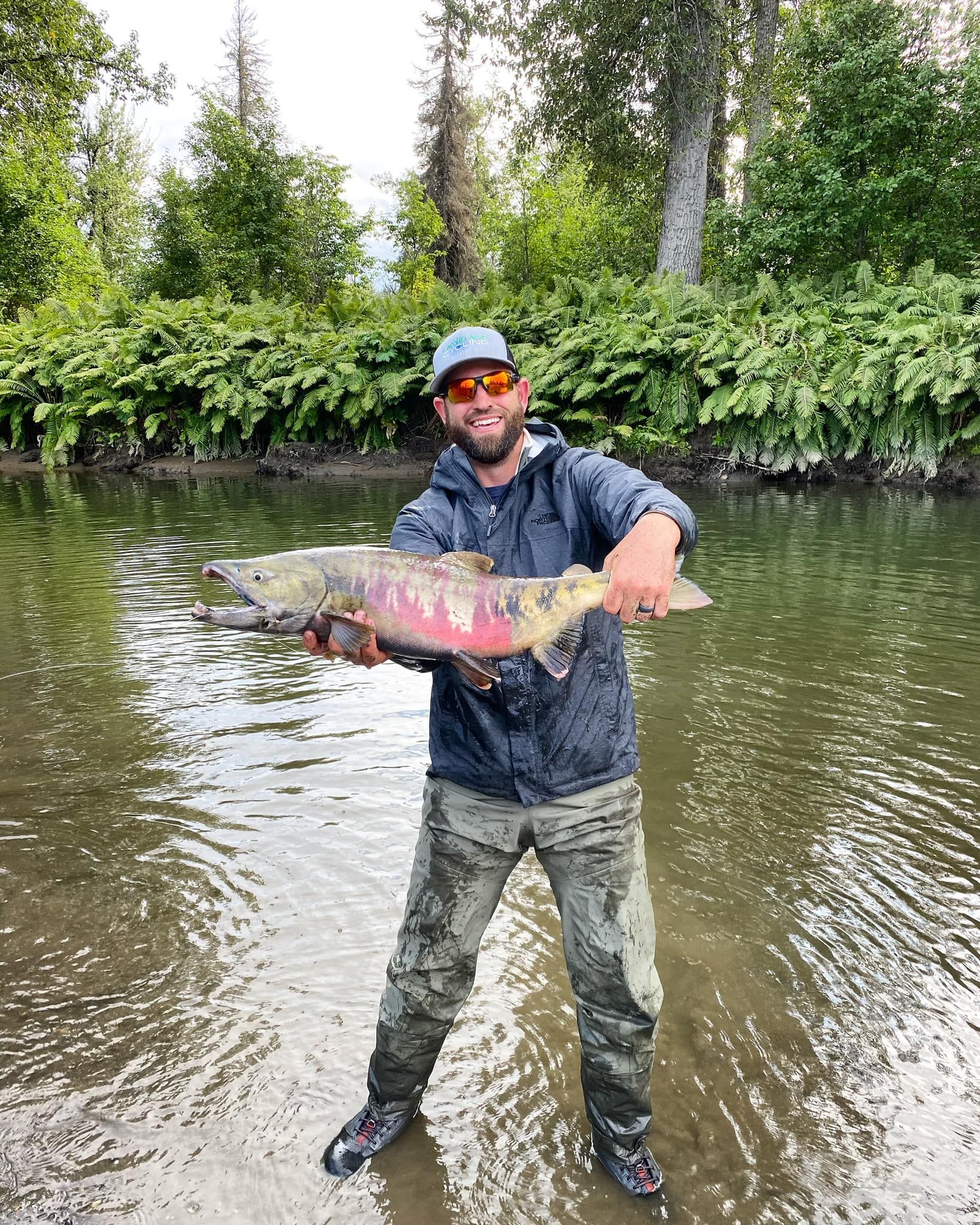
- You’re targeting salmon and trout in clear, moving water
The system connects to the Yentna River, which sees runs of all five Pacific salmon species over the season. That movement is what guides key in on, adjusting where and how you fish as conditions change.
What the Day Actually Looks Like on the Water
Once you land at McDougall Lodge, everything is ready to go. No sorting gear or figuring out logistics.
Your guide sets the pace:
- Rods and tackle matched to current conditions
- Jet sled access to multiple sections of the creek
- Adjustments based on water clarity, depth, and fish activity
One thing people don’t expect is how much ground gets covered. You might fish a shallow gravel run in the morning, then shift to a deeper bend or side channel in the afternoon.
McDougall runs some of the largest boats on this stretch of river, which makes those moves smoother and gives you more space to fish comfortably.
The Detail Most First-Time Visitors Overlook
Fish processing is handled for you at the lodge, and it makes a bigger difference than it sounds.
At the end of the day:
- Fish are filleted cleanly
- Portions are vacuum sealed and shrink-wrapped
- Everything is packed for travel
A common mistake is assuming you’ll deal with that later in town. After a full day on the water, that becomes a hassle fast. Having it done on-site keeps the experience simple from start to finish.
Between Casts: What the Lodge Adds to the Day
There’s a reset built into the day that most people don’t plan for.
Back at the lodge:
- Hot meals are ready without rushing
- There’s a place to sit, warm up, and regroup
- Clean restrooms and hot showers are available
That break matters, especially on colder days or if you’re new to fishing. It keeps the day from feeling like a grind and makes it accessible for families or couples who want something active but manageable.
Timing Your Trip Around Fish Movement
Fishing success here depends heavily on timing.
- June brings king salmon and faster, higher water
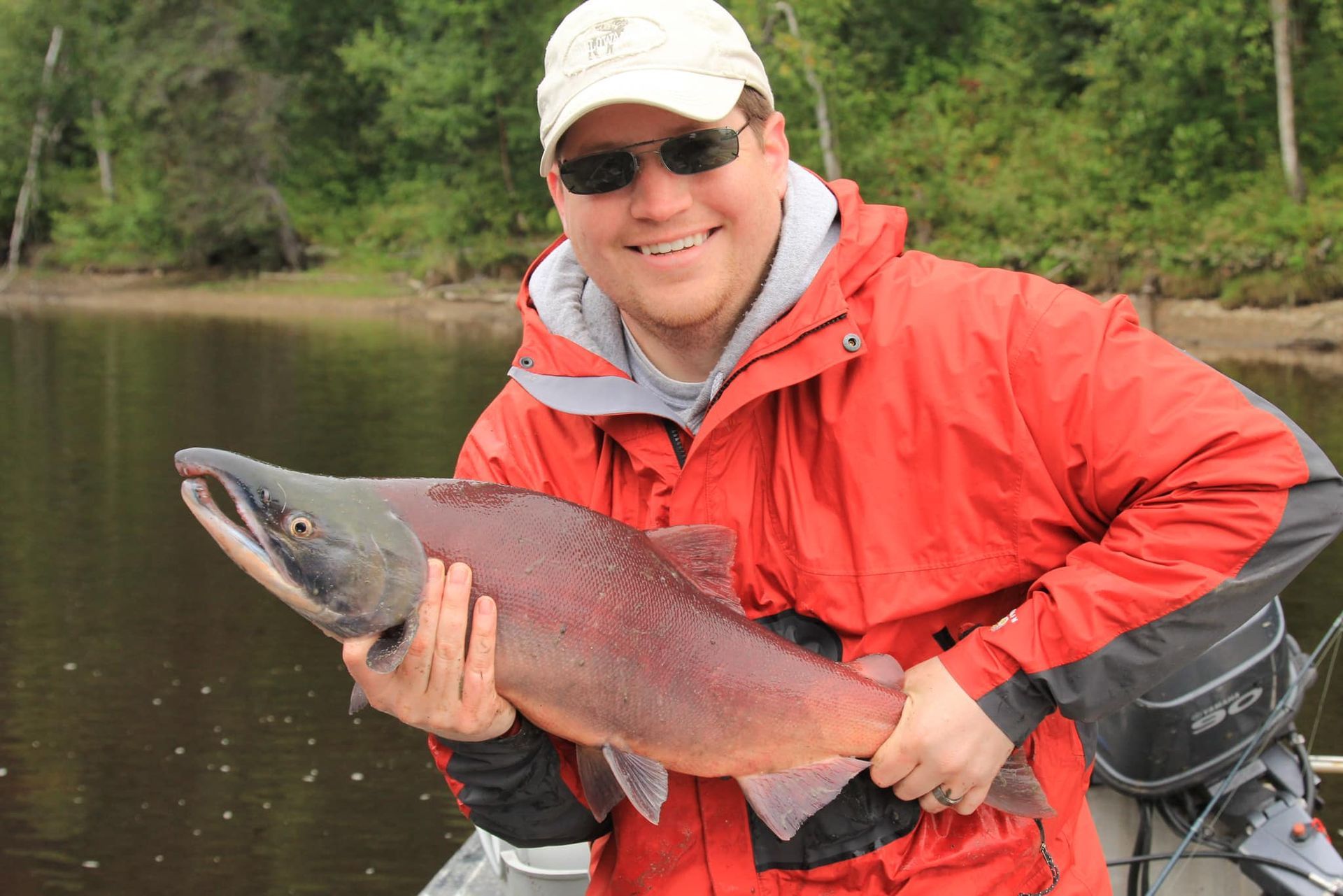
- July is known for strong sockeye runs
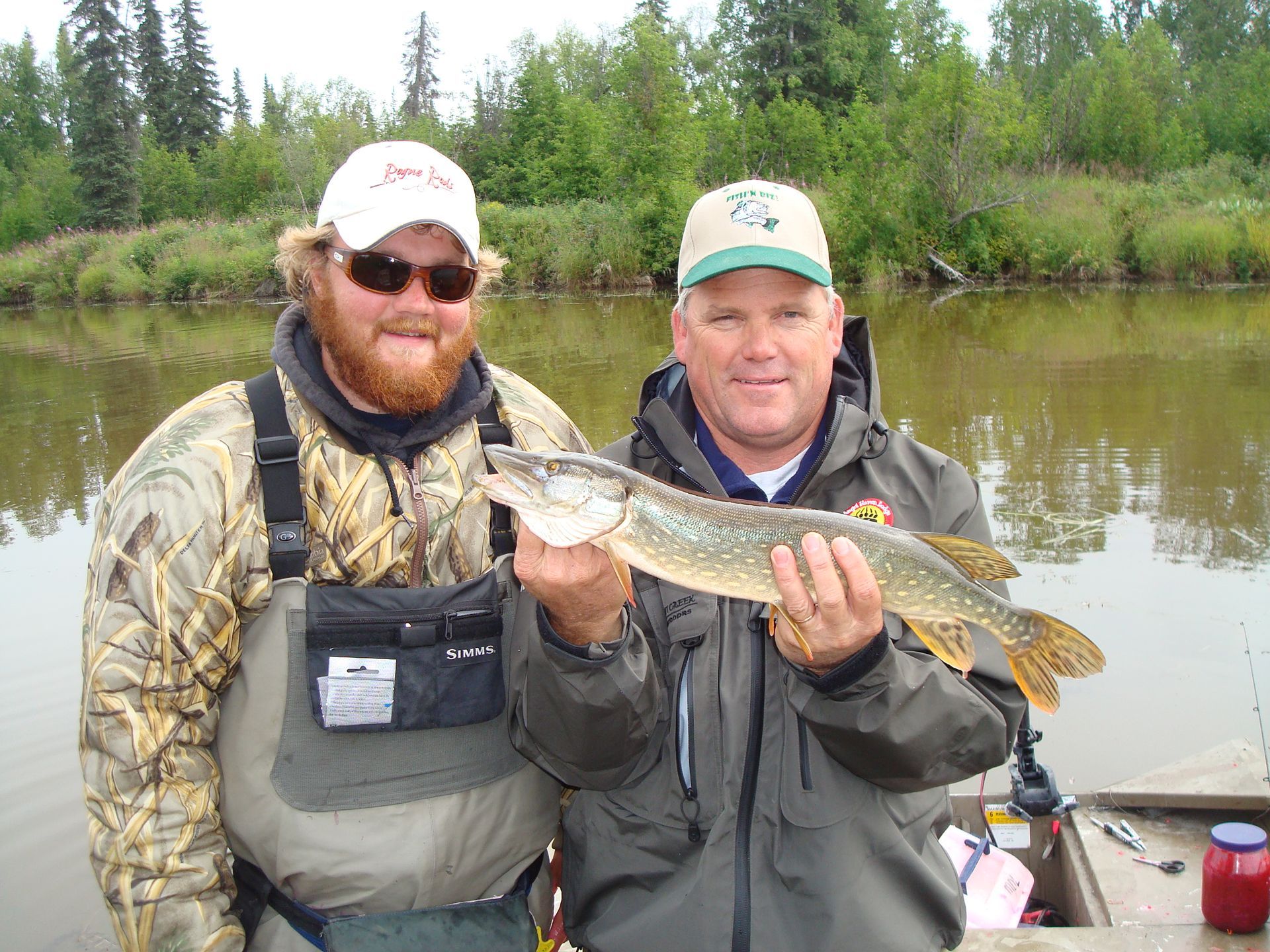
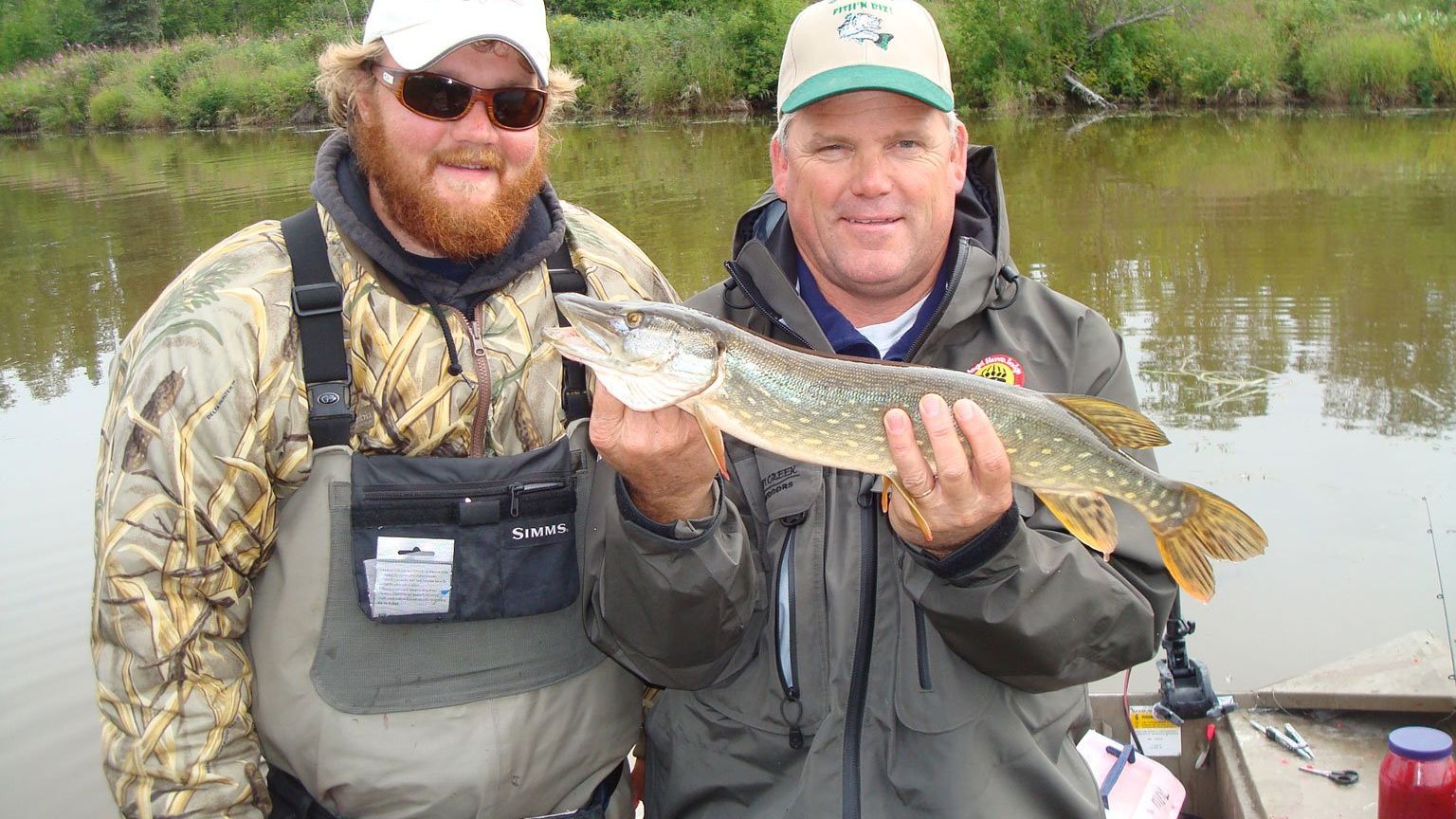
- August adds Coho along with Pinks, “Humpy’s”, Chum Salmon, and aggressive trout feeding
Matching your trip to the species you want to catch is one of the easiest ways to improve your experience. Booking without that in mind is one of the most common planning mistakes.
A Small Adjustment That Makes a Big Difference
On Lake Creek, how you present your cast matters more than most people expect.
The water is clear and constantly moving. A slight change in angle or drift can turn a quiet stretch into steady action. Good guides will walk you through that in real time, which is part of what makes a guided day so valuable compared to figuring it out on your own.
Who This Kind of Trip Works Best For
This setup tends to fit:
- First-time Alaska visitors who want a structured, reliable day
- Couples looking for something active without roughing it
- Families who benefit from guidance and built-in logistics
- Anglers who want to maximize time fishing instead of navigating
It’s less suited for people who want a slow, stationary day or prefer handling everything themselves.
Quick Q&A for Planning
How long is the flight from Anchorage?
About 25 minutes by floatplane.
Do you actually get enough time to fish on a day trip?
Yes. The short flight means most of your day is spent on the water, not traveling.
Do I need to bring gear?
No. Rods, tackle, and guidance are all provided.
What happens if the weather changes?
Flights and timing may adjust, but guides work around conditions and keep you on fishable water when possible.
What do I do with the fish I catch?
They’re processed at the lodge and packaged so you can take them home.
How to Decide If This Is the Right Move
Choose a fly-in day trip if you want to spend your time fishing instead of getting there, and if access to less pressured water matters to you. Skip it if you’re set on ocean fishing or want a fully DIY day. For most visitors trying to make the most of limited time in Alaska, the floatplane option is the more efficient call.