Our Guide to Alaska Fly Fishing Lodges
The first floatplanes usually touch down early in the morning, long before the fishing boats head upstream. By the time coffee is poured and gear is loaded, the river has already started to change. Water levels, salmon movement, and even the weather can shift in a few hours, which is one reason fly fishing in Alaska rewards planning more than luck.
Choosing the right fly fishing lodge has less to do with fancy amenities and far more to do with where you spend your time on the water. A lodge with direct access to productive rivers, experienced guides, and reliable transportation can make the difference between spending the day chasing fish and actually fishing.
Start With River Access Instead of the Lodge
Many travelers compare rooms, meal plans, or lodge size first. Local anglers tend to ask a different question.
How quickly can you reach productive water?
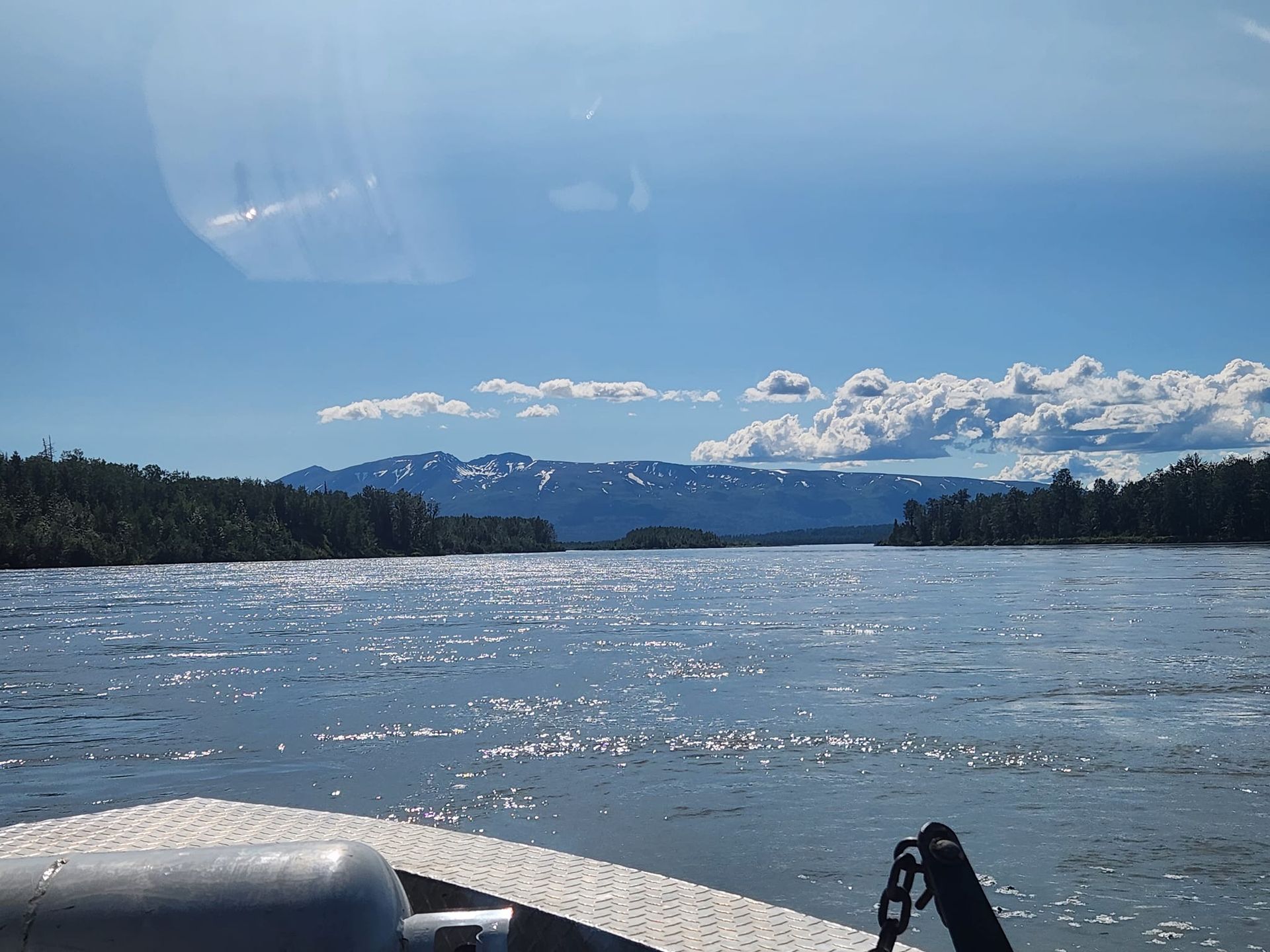
Some Alaska lodges require long daily boat rides before the first cast. Others involve driving between rivers. Fly-in lodges offer a different experience because your trip begins in remote country that larger road systems cannot reach.
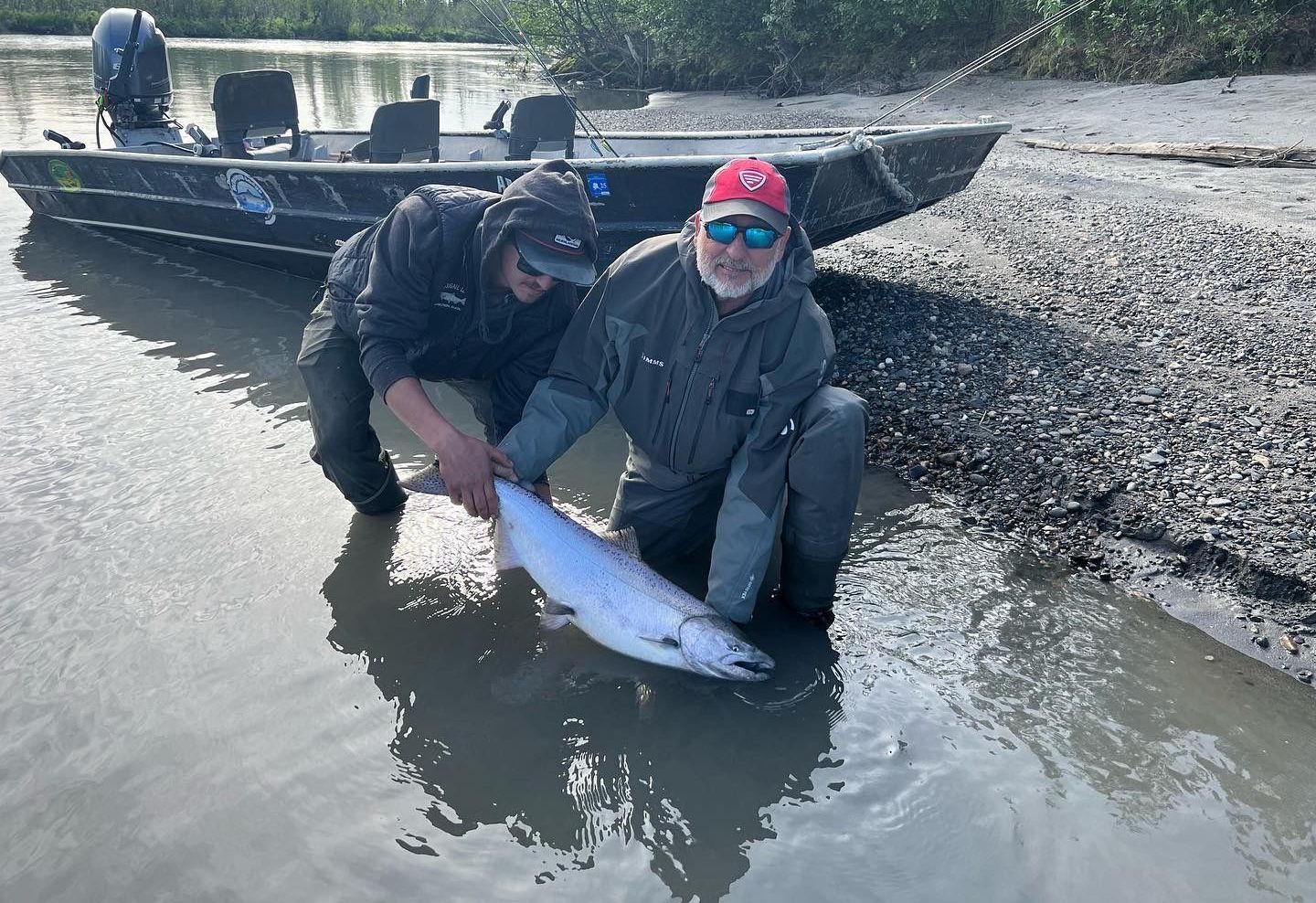
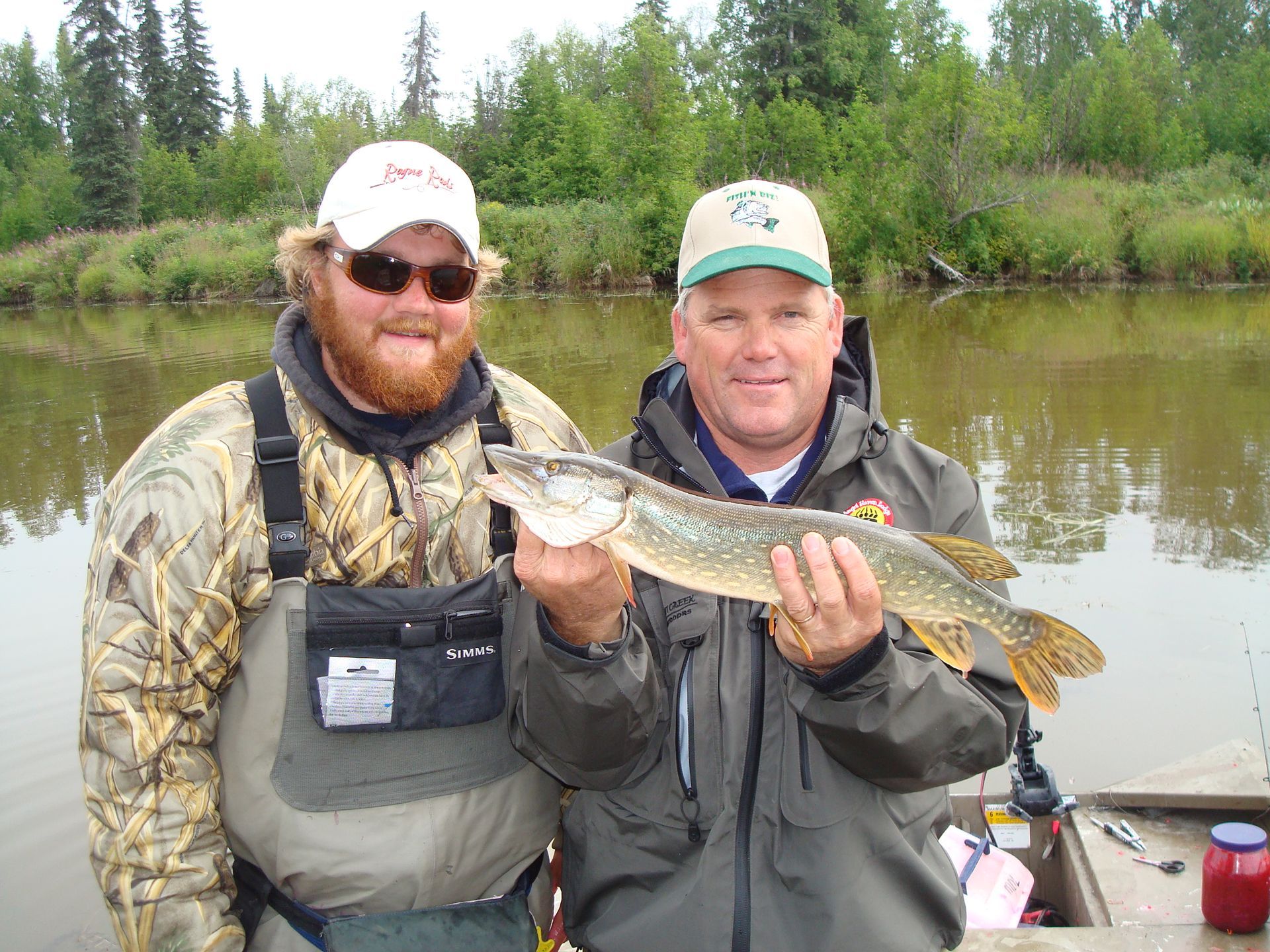
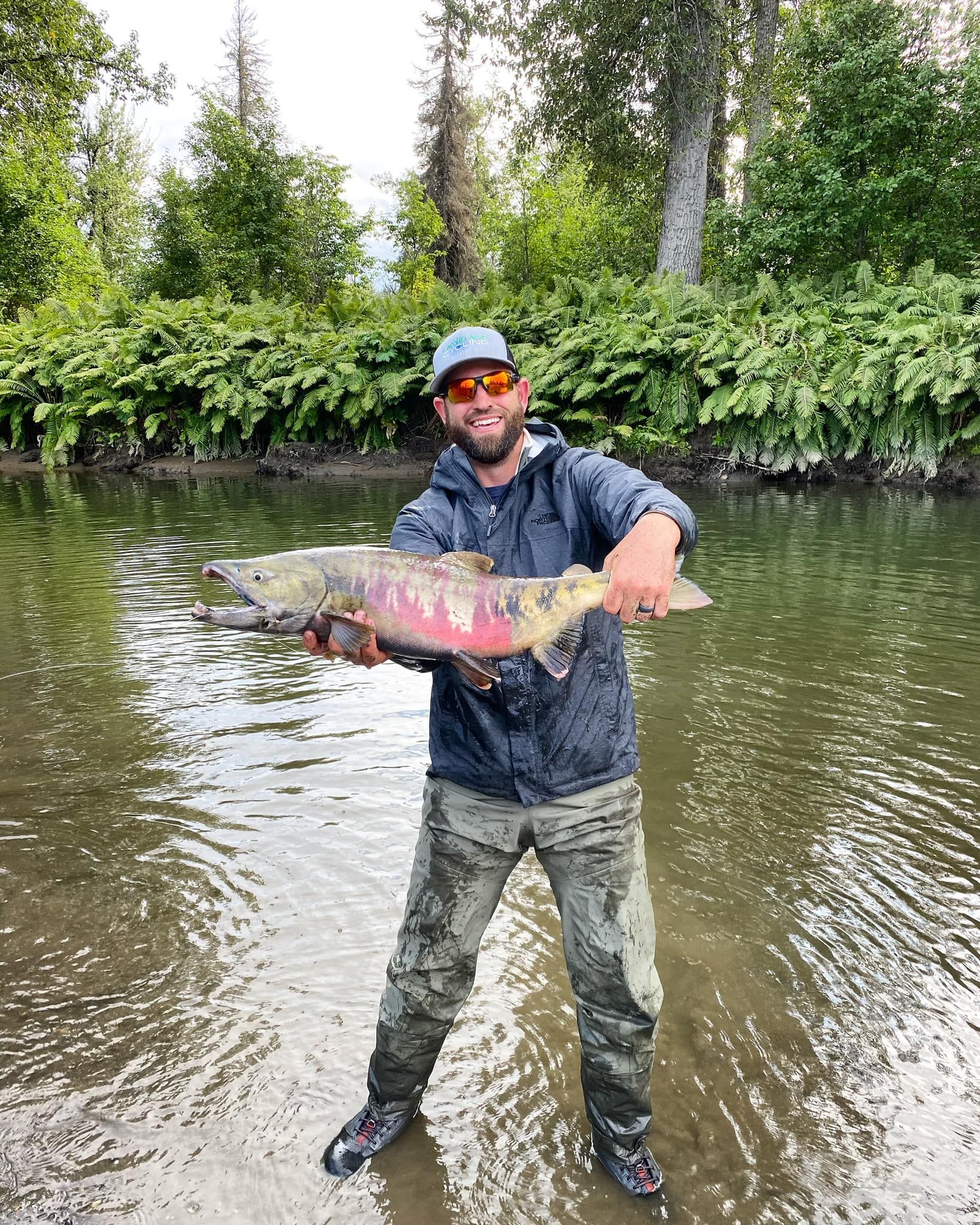
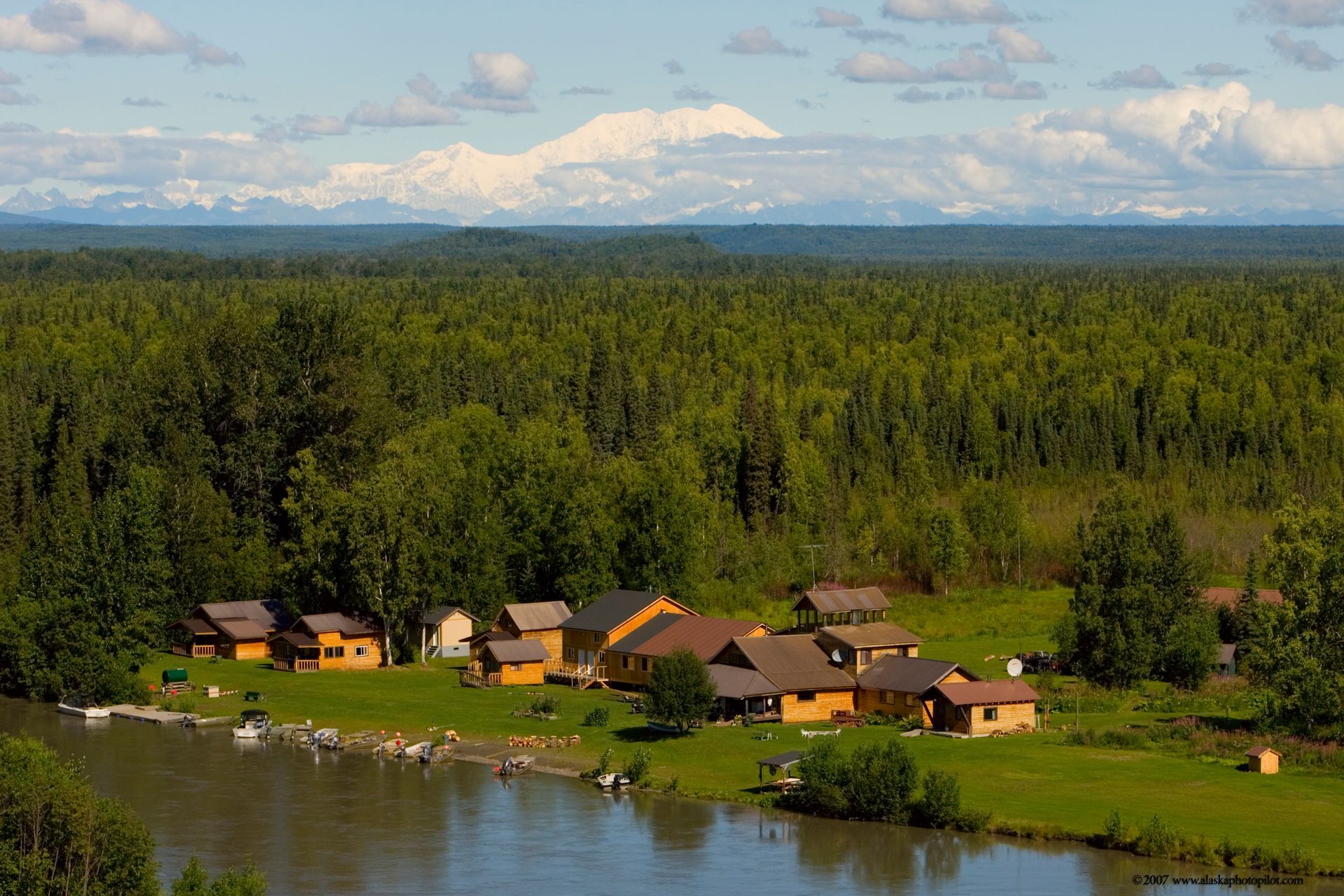
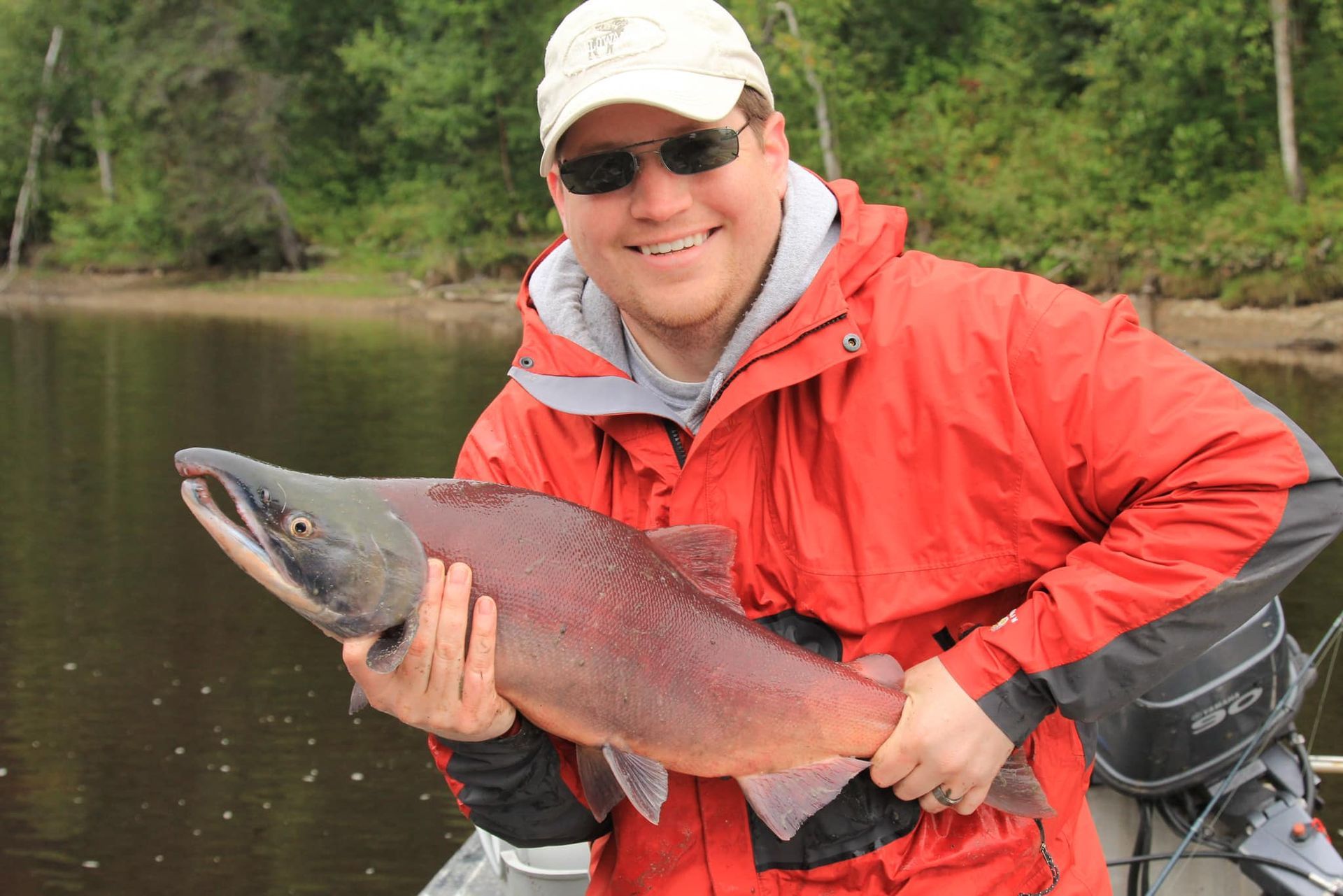
McDougall Lodge sits along Lake Creek, about 65 miles northwest of Anchorage. Guests arrive by floatplane, and the fishing begins on a river that sees all five species of Pacific salmon move through during their seasonal runs. Rainbow trout, Arctic grayling, and northern pike are also found throughout the drainage.
One detail many visitors overlook is how valuable that location becomes after changing weather. When river conditions shift, guides familiar with nearby channels and tributaries often have more options than guides traveling from distant locations.
What Makes One Fly Fishing Lodge Better Than Another?
Instead of focusing on marketing descriptions, compare practical details that affect every day of your trip.
- Direct access to productive water instead of spending hours commuting
- Experienced guides who understand daily river conditions
- Boats designed for the specific river system
- Comfortable accommodations with hot showers and quality meals after long days outside
- Transportation included between Anchorage and the lodge whenever possible
These factors influence both fishing time and overall comfort much more than room size or decorative features.
Timing Matters More Than Most First-Time Visitors Expect
Alaska's fishing season changes throughout the summer, and different species become active at different times.
Early summer often brings king salmon, followed by sockeye and chum. Pink salmon arrive in strong numbers during even-numbered years, while silver salmon become a favorite later in the season. Rainbow trout remain active across much of the season, especially behind spawning salmon where food becomes more abundant.
The biggest mistake many first-time visitors make is booking dates before deciding which fish they hope to target. Picking the species first usually leads to a much better experience than simply choosing available vacation dates.
Small Comforts Make Long Fishing Days Better
Remote Alaska does not have to mean giving up every convenience.
Some fly-in lodges provide hotel-quality rooms, hot water showers, flush toilets, and freshly prepared meals. After spending eight or more hours casting, wading, or running upriver in a jet boat, those details become much more valuable than many travelers expect.
Guests at McDougall Lodge regularly mention the meals as one of the surprises of their trip. Fresh breakfasts before early departures and hearty dinners after returning from the river help prepare anglers for consecutive days on the water.
An Overlooked Advantage Most Visitors Miss
Many travelers focus only on catching salmon.
Experienced guides often pay close attention to what the salmon are doing because their movement creates excellent trout fishing opportunities. As salmon begin spawning, rainbow trout gather behind them to feed naturally. That pattern can produce outstanding fly fishing while many visitors continue targeting only salmon.
Paying attention to the entire ecosystem instead of one species often leads to more memorable days on the river.
Which Lodge Fits Your Style of Trip?
Different travelers usually value different experiences.
Families often appreciate packages that include transportation, meals, lodging, and guided fishing because planning becomes much simpler.
Couples looking for a remote Alaska experience usually enjoy smaller fly-in lodges where evenings stay quiet after the boats return.
First-time Alaska anglers benefit from guides who provide instruction, local techniques, and equipment recommendations instead of assuming everyone arrives with advanced fly fishing skills.
Questions People Ask About Alaska Fly Fishing Lodges
What is the best time to visit an Alaska fly fishing lodge?
The answer depends on the species you want to catch. Salmon runs occur throughout the summer, while rainbow trout provide excellent fishing across much of the season.
Do you need to bring your own fly fishing equipment?
Many lodges provide gear or rental equipment, although experienced anglers often prefer bringing rods and reels they already know well.
How do guests reach a remote fly fishing lodge?
Many remote lodges use floatplanes departing from Anchorage. The flight is often part of the overall package and provides access to rivers that cannot be reached by road.
Are Alaska fly fishing lodges suitable for beginners?
Yes. Many guides regularly work with first-time fly anglers and teach casting techniques, fish handling, and local strategies throughout the trip.
How many days should you plan?
Three to four nights gives most visitors enough time to experience changing river conditions, target multiple species, and avoid feeling rushed.
Choosing the Right Trip
Before reserving your dates, decide which fish you want to pursue, then compare lodges based on river access, guide experience, and how much time you'll actually spend fishing instead of traveling. Booking around the seasonal runs that match your goals will almost always produce a more rewarding Alaska fly fishing experience.